

News
Global Fertilizer Crisis Looms over Local Agriculture as Global Prices Soar by 50%

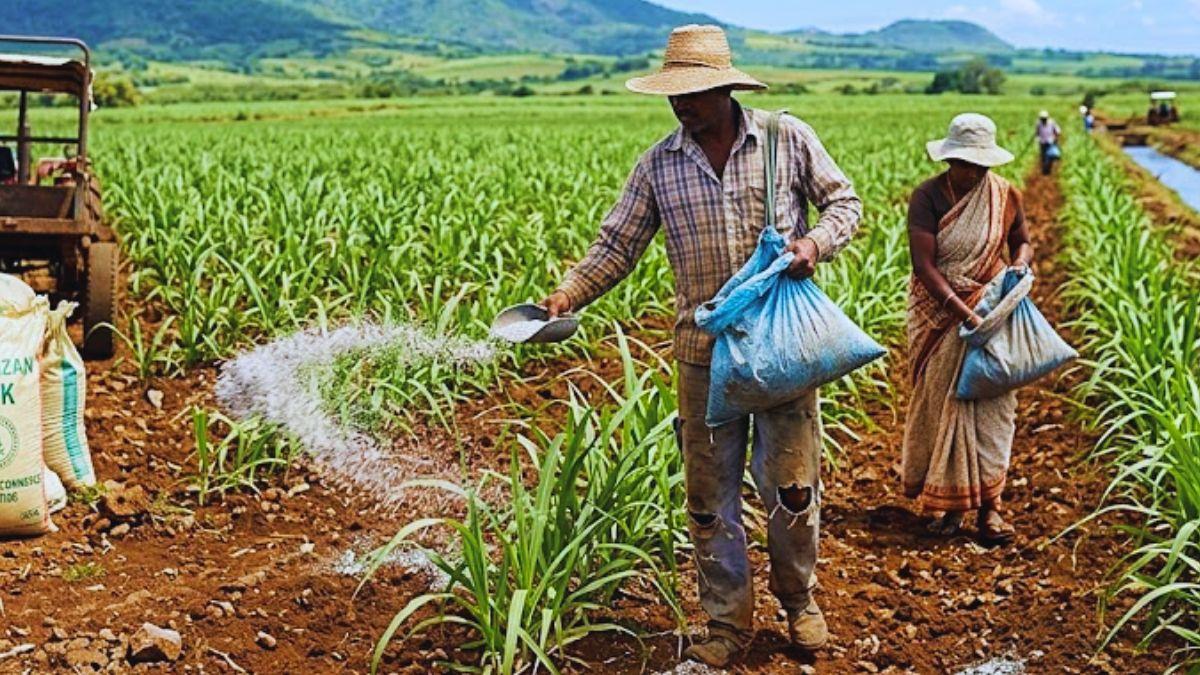
Global supply chain disruptions and geopolitical conflict in the Middle East have triggered a sharp spike in fertilizer costs, leaving local growers facing a significant surge in production expenses.
The conflict has severely disrupted trade through the strategic Strait of Hormuz, a vital artery for the global supply of raw materials.
The Middle East serves as a primary hub for urea and ammonia production—two essential components in the manufacturing of fertilizers.
Consequently, international transport difficulties and rising energy costs have driven price hikes of 40% to 50% for certain products, with some industry experts warning that costs could eventually double.
Local Market Under Pressure
While the full impact has yet to reach the domestic retail market due to existing stock, the Ministry of Commerce and Consumer Protection has warned that new shipments reflecting international prices are currently en route.
Minister Michaël Sik Yuen confirmed to Parliament that upward pressure on retail prices is expected within weeks if the international situation does not stabilize.
The Ministry is currently monitoring the situation alongside the Mauritius Chamber of Commerce and Industry to manage the ripple effects on food security and import costs.
Farmers Struggle Despite Subsidies
Small-scale growers are particularly vulnerable. Despite the Fertilizer Subsidy Scheme, which currently covers approximately 50% of costs, the cumulative rise in overheads—including diesel and freight—is proving unsustainable for many.
Krit Beeharry, representing the island’s planters’ association, highlighted the severity of the crisis:
- Phosphate (P) fertilizers: Increased by nearly 100%.
- Potassium (K) and Nitrogen (N) fertilizers: Increased by approximately 40%.
“If inputs continue to rise, production will become even more difficult and planters will be discouraged,” Beeharry warned, noting that such a trend poses a direct threat to national food security.
He pointed to India as a potential model, where the government recently bolstered nutrient-based subsidies to ensure farmers maintain access to essential 50kg bags of diammonium phosphate (DAP).
Rising Costs and Organic Alternatives
Individual farmers are already feeling the pinch. Aneerood Ramgoolam, a local planter, reported that a 25kg bag of fertilizer now ranges between Rs 1,200 and Rs 1,800, depending on the supplier.
In response to the volatility, some growers are pivoting toward sustainable alternatives. Ramgoolam noted that local manure serves as a viable organic substitute, enriching the soil’s natural fertility and reducing reliance on expensive chemical imports.
“It keeps the soil alive and healthy,” he stated, suggesting that natural methods may offer a buffer against the fluctuating global market.
Source: l’Express