

LIFE AND STYLE
Quatre-Bornes Faces Irreversible Gridlock Across 5 Major Strategic Road Traffic Junctions

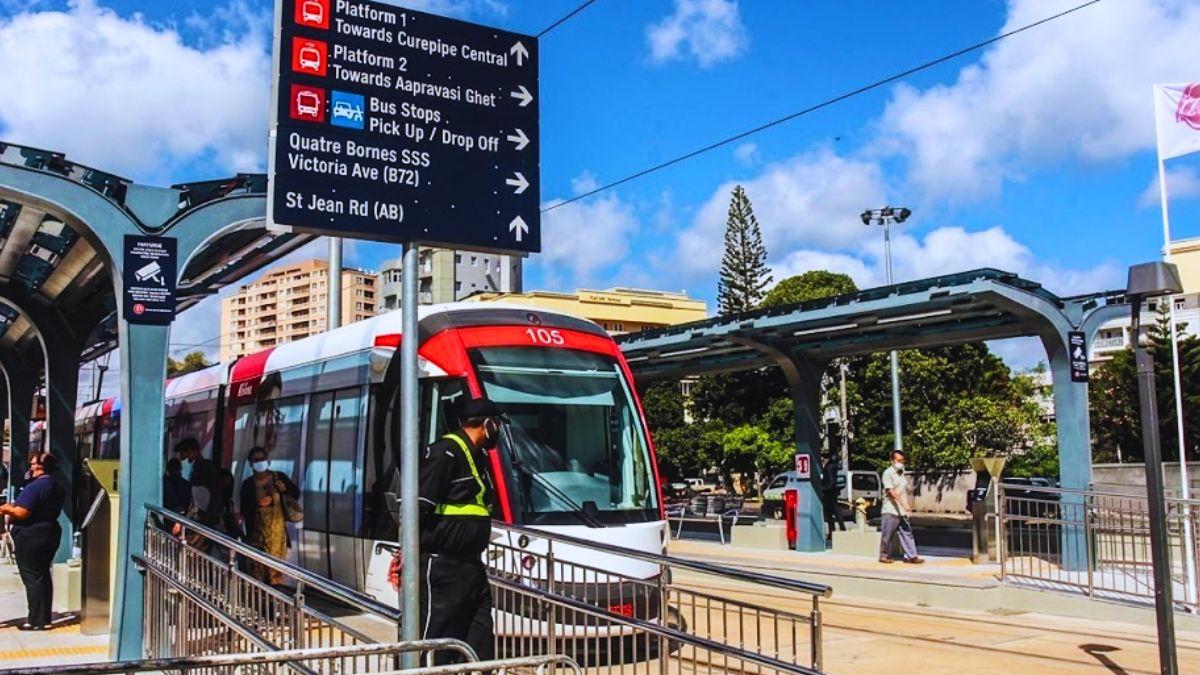
Traffic congestion in Quatre-Bornes remains a critical concern for residents and authorities alike, with official acknowledgement that the city’s gridlock is now largely “irreversible.”
Despite the introduction of the Metro-Express, daily travel remains heavily disrupted, particularly during peak hours, as the rail system continues to compete for ground-level space with road vehicles.
The ongoing crisis was recently highlighted during Question Time, following an interpellation by Chief Whip Stéphane Anquetil addressed to Minister Osman Mahomed.
At the heart of the controversy is the decision to integrate the metro line along St-Jean Road rather than following the original railway corridor—a move critics argue lacked sufficient foresight.
Areas of Maximum Impact
The most severe bottlenecks are currently concentrated on several strategic axes:
- St-Jean Road: The stretch between La-Louise and Trianon is among the worst affected.
- Hillcrest Road: Significant delays are reported for motorists heading toward the M1 motorway.
- Key Intersections: Frequent slowdowns persist at the junctions of Victoria Avenue, Sir Guy-Forget Avenue, and Belle-Rose Avenue.
- The Town Centre: Intense traffic and pedestrian flows create a “nerve centre” of congestion near the local market and schools.
Mitigation over Reversal
Government authorities have admitted that while technical adjustments and junction analyses have been conducted, the structural nature of the congestion is permanent. Strategy has now shifted toward mitigation.
Infrastructure projects deployed to alleviate the pressure include the construction of the Hillcrest interchange and the widening of associated roads.
Future plans involve improvements to the Ébène bridge, new access routes to the M3, and a proposed link between Pellegrin and Trianon.
Shifting Driver Behaviour
In a bid to reduce the volume of private cars, officials are banking on a “park and ride” approach.
A new car park with a 40-vehicle capacity is slated for completion in Quatre-Bornes by the end of June 2026.
The project aims to encourage motorists to leave their cars and continue their journeys via light rail.
While the metro’s presence has complicated daily commutes, officials noted one operational benefit: the tracks are designed to serve as emergency corridors for rescue services during major accidents, a facility recently validated during simulation exercises.
For a city long-regarded for its quality of life and urban organisation, the focus remains on finding concrete, incremental solutions to a landscape that has been fundamentally altered.
Source: Le Mauricien