

Business
Small Businesses Face 3 Major Pressures from Debt, Taxes, and Rising Costs

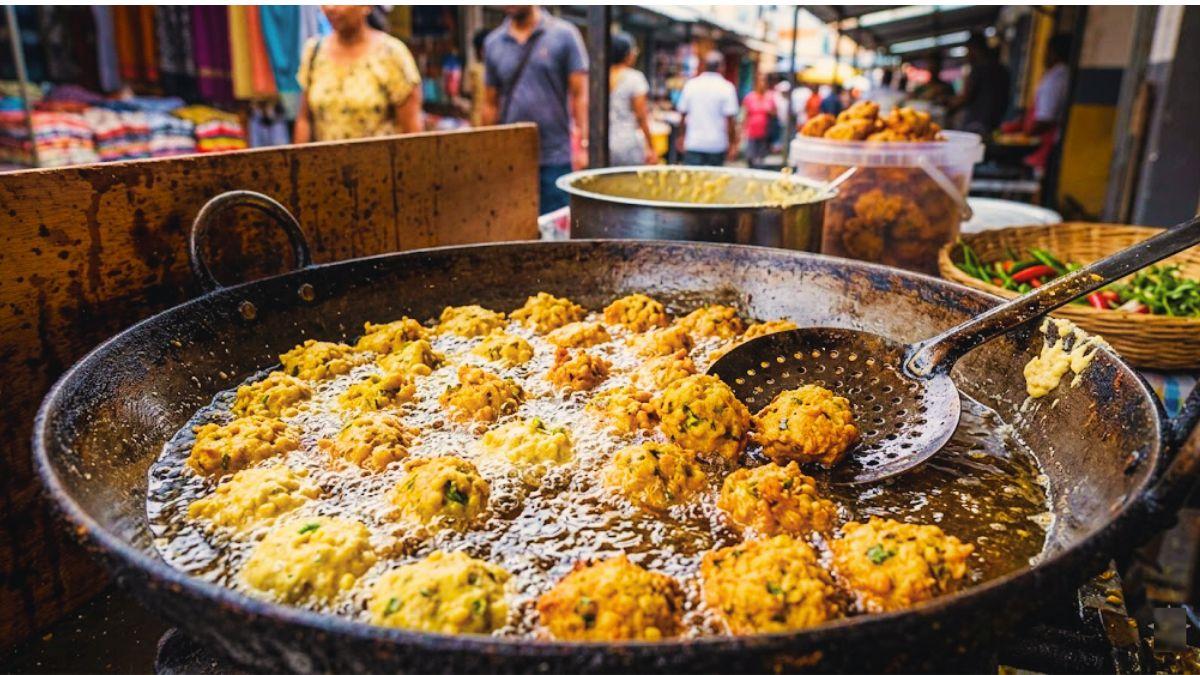
Small and medium-sized enterprises (SMEs) across Mauritius are facing a critical survival crisis as geopolitical tensions and skyrocketing operational costs force entrepreneurs into a “impossible” choice: hike prices and lose customers, or absorb costs and face financial ruin.
The sector is currently grappling with a relentless surge in the prices of energy, fuel, and raw materials.
This pressure is compounded by global market imbalances and the lingering weight of debts contracted during the Covid-19 pandemic, which continue to stifle many smaller structures.
The Profit Margin Trap
In a competitive landscape where many businesses struggle to pass costs onto consumers, profit margins are rapidly eroding.
The situation is further strained by fiscal measures, including the progressive increase in taxes on sugar and derivative products introduced in 2025.
For the iconic street food vendors of Port Louis, the reality is stark. A local dholl puri seller, whose products are currently priced at MUR 25, confirms that a price hike of MUR 5 to MUR 10 is now being considered.
While necessary for survival, there are deep concerns that such an increase will fundamentally alter local consumption habits.
A Decline in Demand
The impact is already visible in the sale of traditional “gato delwil.”
Govind Bhundoo, a trader in Rose-Hill, reports a progressive drop in demand for the once-affordable snack.
“Before, people bought them often because they were cheap. Now, I already see the customers diminishing,” Bhundoo explained.
He cited a “multiplication of charges,” including rising costs for labour, gas, vegetables, oil, petrol, and rent, noting that he now runs the business more for “pleasure” than profit.
The situation is even more dire for Steeven, a cold drinks vendor in the capital.
Despite raising the price of a glass of iced tea from MUR 80 to MUR 180, he can no longer balance his books. His daily sales have plummeted from over 400 glasses to just twenty.
“If this continues, I will have to close my business,” he warned.
The Human Cost of Inflation
The atmosphere in commercial streets has shifted noticeably. One trader observed that office workers, who used to queue during their breaks, now check prices and walk away.
Stéphane Maurymoothoo, a member of the Regroupman Artizan Morisien, argues that the plight of the self-employed is often misunderstood.
He highlights the distinction between solo artisans and small employers, noting that for many, price adjustments are a matter of “immediate survival.”
Maurymoothoo also drew attention to the lack of social safety nets for the self-employed, who do not receive benefits such as a 13th-month bonus or end-of-year premiums.
Addressing the recent salary compensation of MUR 635, he described it as insufficient.
“It represents about MUR 22 per day,” he noted. “A very low amount in the face of the rising cost of living.”
Source: l’Express