

News
Mauritius Deploys Smatch Range to Fight Inflation

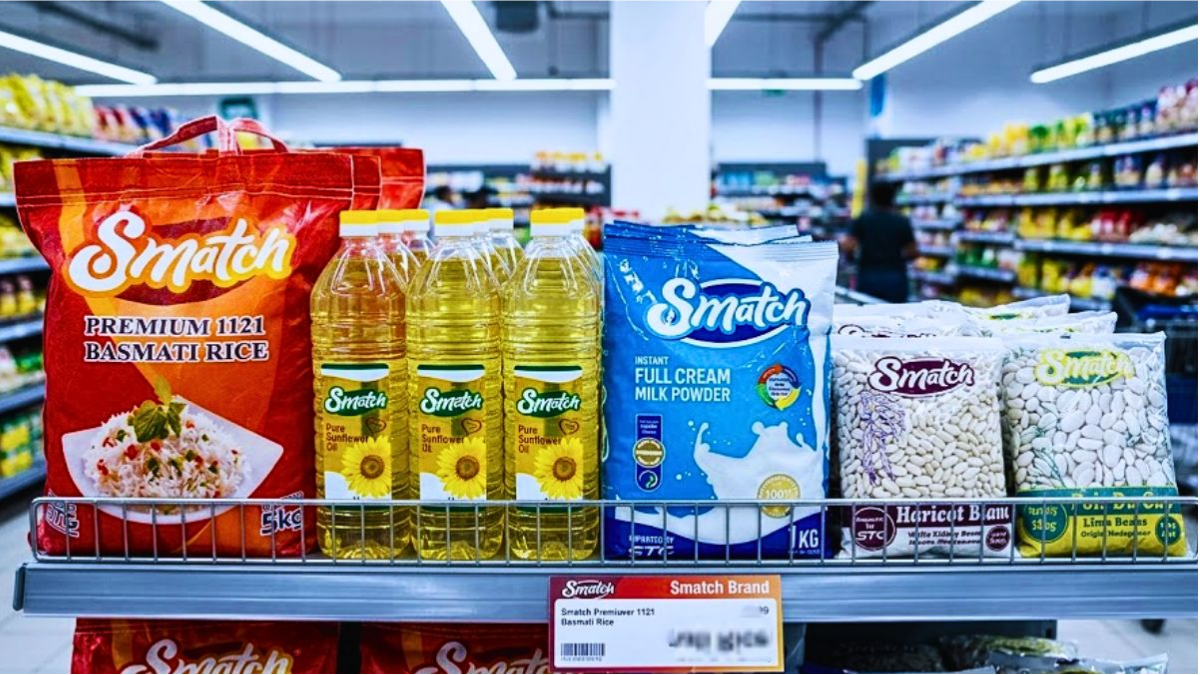
STC (Mauritius’s State Trading Corporation) is planning to expand its “Smatch” budget product range to shield household budgets from soaring food costs, the public body has announced.
Under the government’s 2025–2029 programme, the state-owned enterprise is actively studying the addition of new everyday essentials to the range, specifically targeting canned sardines, canned pilchards or mackerel, and canned tomatoes.
Working in coordination with the Ministry of Commerce and Consumer Protection, the STC aims to improve consumer access to basic staples and curb inflationary pressures.
Global Tensions and Price Freezes
The expansion comes as the corporation closely monitors volatile international markets, which are currently heavily impacted by geopolitical tensions in the Middle East and rising fuel costs.
Despite an increase in the price of diesel, the STC revealed that it has successfully frozen retail prices on the vast majority of its “Smatch” staples—including powdered milk, basmati rice, and pulses—since September 2025.
Cooking oil is the only product in the range to have seen a price increase during this period.
However, the corporation warned that future supply contracts could hang in the balance if global logistics worsen.
“We remain attentive to any significant evolution in raw material costs, sea freight, or other charges that could influence future supply contracts,” the STC stated, noting that it will take “timely decisions” should the international situation deteriorate further.
Supply Chain Strategy
To keep the “Smatch” line affordable, the state body is utilizing a multi-pronged procurement strategy to bypass traditional commercial markups.
This includes:
- Launching international tenders to secure competitive pricing.
- Diversifying suppliers and countries of origin to mitigate risk.
- Optimising purchase volumes to achieve economies of scale.
- Cutting out intermediaries within the supply chain to limit final retail costs.
The STC maintains that the continuous presence of “Smatch” products in supermarkets serves a broader economic purpose by acting as a market benchmark.
This state-backed price reference effectively pressures private retailers to keep their own prices competitive.
To manage ongoing risks to the island’s essential food supply, the institution continues to run regular checks on global commodity prices, freight fees, currency fluctuations, and geopolitical developments.
Source: Defi Media