

News
Only 3 Bidders Compete for STC Contracts Instead of 12 International Suppliers

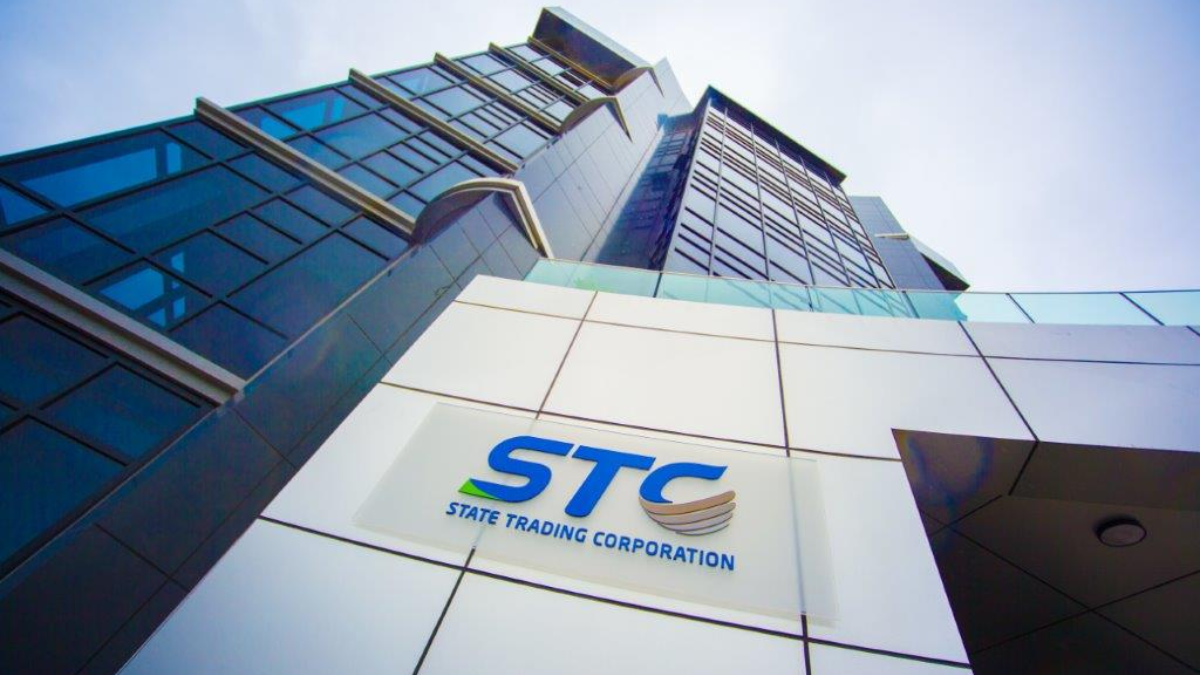
A “structural preoccupation” regarding the State Trading Corporation’s (STC) procurement methods is artificially inflating the cost of essential goods, potentially draining the Price Stabilisation Fund by half a billion rupees annually.
In a formal intervention, Suttyhudeo Tengur, President of the Association for the Protection of the Environment and Consumers (APEC), warned that a persistent lack of competition in STC tenders is forcing the state to pay premium prices for strategic commodities.
The Competition Gap
According to APEC, recent tenders launched by the STC have seen a “sensible decrease” in bidders.
While comparable international public markets typically attract between 6 and 12 qualified suppliers, STC exercises are frequently limited to just two or three participants.
Data suggests this lack of friction in the bidding process comes with a heavy price tag.
International studies indicate that increasing the number of bidders from three to eight can reduce contract prices by an average of 8% to 18%.
The Rs 500 Million “Surcharge”
The financial implications for the Mauritian taxpayer are stark. On an annual import volume of approximately Rs 5 billion, APEC estimates that a conservative 10% reduction in costs through better competition would yield a saving of Rs 500 million.
Even a marginal 3% variation in fuel or essential food prices would represent tens of millions of rupees in subsidies—costs currently borne by the Price Stabilisation Fund.
Mr Tengur noted that this “surcharge” is accelerating the exhaustion of the fund, directly hampering the state’s ability to cushion consumers against rising costs.
Barriers to Entry
The shortage of bidders is not due to a global supply deficit, but rather “complex technical procedures” that discourage reputable foreign manufacturers. APEC highlighted several systemic deterrents:
- A lack of transparent clarification mechanisms.
- Poor visibility regarding the progress of tender proceedings.
- Excessive technical complexity for direct participation.
As a result, primary manufacturers are reportedly stepping back, leaving the field dominated by intermediaries.
A Tool for Inflation Control
Mr Tengur has called for an immediate review of procurement procedures for high-volume bodies like the STC.
He argues that modernising these systems to attract wider international participation would act as a direct instrument for price control.
“Increased competition reduces import costs, decreases the need for subsidies to maintain prices, and therefore contributes to mitigating inflationary pressures on essential products,” the APEC President stated.
Source: Le Mauricien