

News
Tobacco Claims 8 Million Lives Annually as Mauritius Unmasks Deceptive Industry Marketing

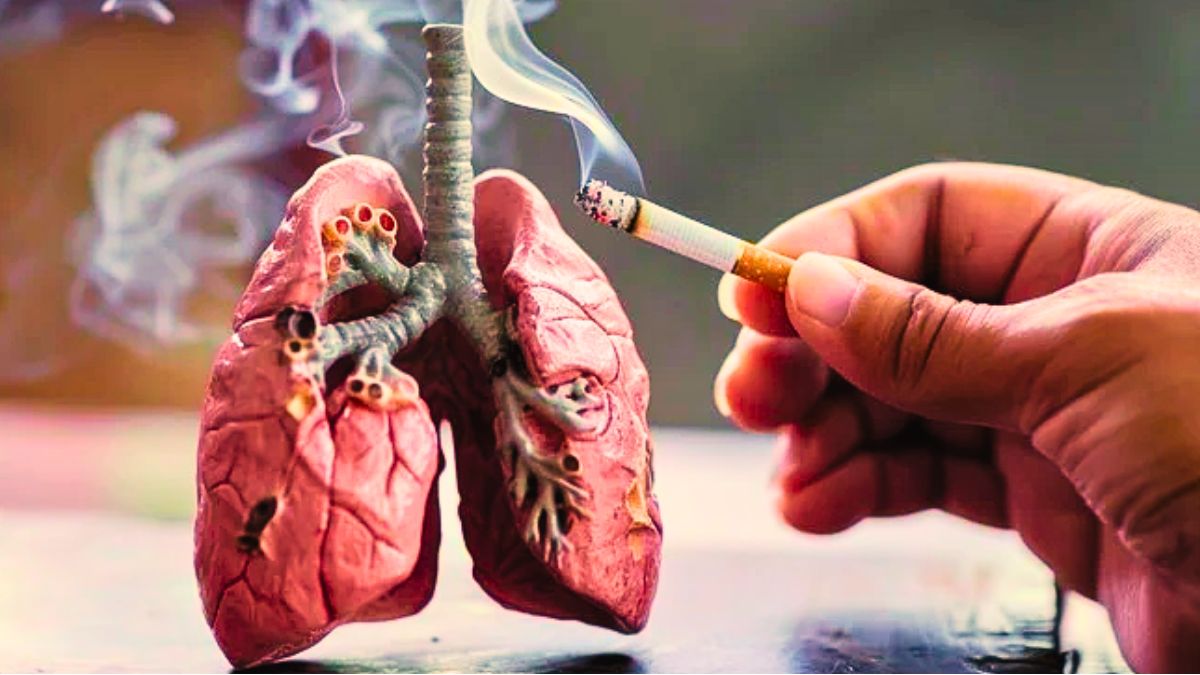
Government officials, health experts, and global body representatives have gathered at a major summit to confront the aggressive marketing tactics used by the tobacco industry to hook youngsters on nicotine.
The workshop, held on Monday 1 June at the Hennessy Park Hotel in Ébène to mark World No Tobacco Day, focused on the theme “Unmasking the Appeal:
Exposing Industry Tactics on Tobacco and Nicotine Products”. Delegates from the government, the World Health Organisation (WHO), the medical community, the education sector, and civil society met to address the critical public health challenges of smoking.
Speakers warned that tobacco firms are deploying a range of deceptive strategies specifically designed to attract adolescents.
These include varied flavorings, colourful packaging, electronic nicotine devices, and digital marketing techniques aimed at encouraging early experimentation.
Junior Minister of Health, Anishta Babooram, issued a stark warning regarding the vulnerability of young people to these modern marketing tactics and the proliferation of new nicotine products on the market.
She stressed that a preventative approach—firmly rooted in education and public awareness—is vital to stop initial experimentation from spiralling into lifelong addiction.
The global toll of the epidemic was highlighted by data showing that smoking remains a leading cause of preventable death worldwide, claiming over eight million lives annually.
Furthermore, WHO data reveals that second-hand smoke is responsible for more than 1.2 million deaths each year.
Dr Abdou Salam Gueye, the WHO representative speaking at the event, emphasised that the crisis extends far beyond the smokers themselves, noting that those exposed to second-hand smoke face severe, life-threatening health risks.
Detailing the physiological damage caused by nicotine consumption, Dr Ashwamedsing Dinassing explained that tobacco use actively drives the development of numerous severe pathologies.
These include various cancers, cardiovascular diseases, diabetes, and chronic respiratory conditions.
Despite these global challenges, the workshop highlighted significant strides made by Mauritius in tobacco control.
Junior Minister Babooram praised the country’s progressive measures, which include the introduction of plain packaging, a total ban on tobacco advertising, and stricter regulations surrounding access to nicotine products.
To support current smokers looking to quit, the government also confirmed that free smoking cessation services remain widely available.
Source: l’Express