

News
United States Borrowing Hits $50 Billion a Week as National Debt Approaches $39 Trillion

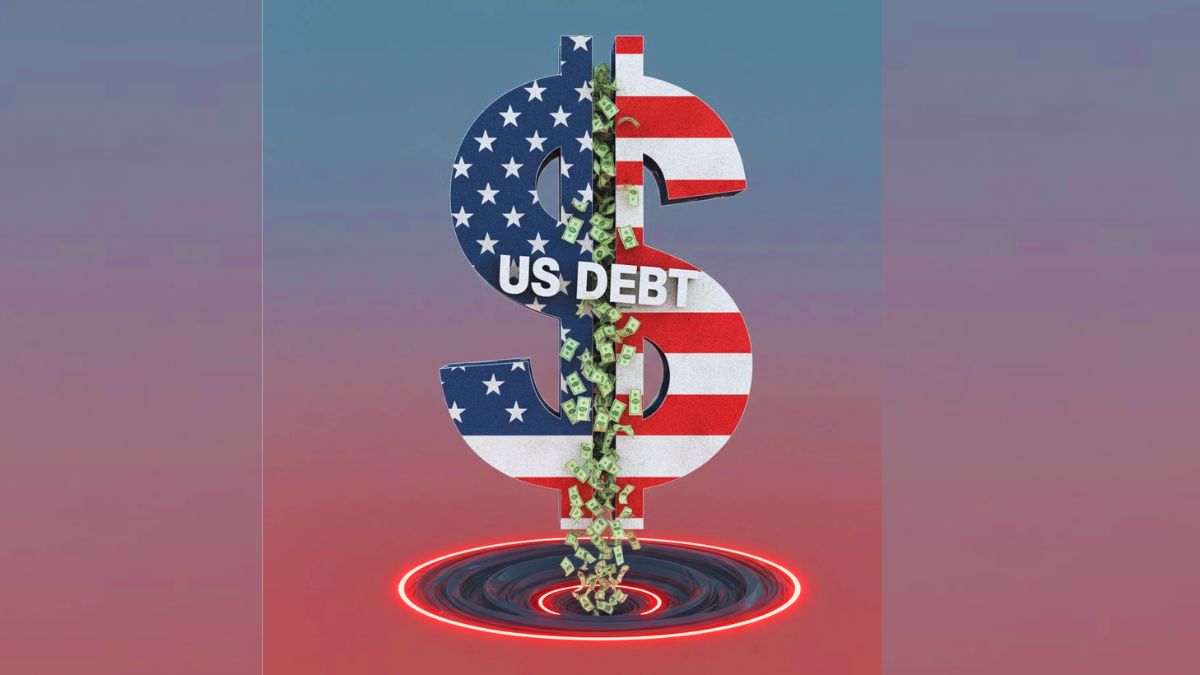
The US federal deficit has surged by $1 trillion in just five months, according to the latest figures from the Congressional Budget Office (CBO), revealing a borrowing rate of roughly $50 billion per week.
The CBO’s monthly budget review, published on Tuesday 10 March, estimates that the US government borrowed $308 billion in February 2026 alone.
Total national debt is now closing in on the $38.9 trillion mark, raising fresh concerns over the sustainability of the superpower’s fiscal trajectory.
Rising Cost of Debt
The rapid accumulation of debt has led to a significant spike in interest repayments. Between October 2025 and February 2026—the first five months of the 2026 fiscal year—the US Treasury spent $433 billion on debt servicing.
This represents a $31 billion increase in net interest compared to the same period last year.
The CBO attributed the rise to higher debt levels and elevated long-term interest rates, though it noted that a dip in short-term rates has “partially offset” the overall increase in payments.
“Unsustainable” Fiscal Path
Maya MacGuineas, President of the Committee for a Responsible Federal Budget (CRFB), warned that interest payments are on track to exceed $1 trillion this year and could hit $2 trillion by 2036.
“This is not sustainable,” Ms MacGuineas stated. She urged policymakers to unite to reduce the deficit to a target of 3% of GDP to put the national debt on a “downward path relative to the size of the economy.”
While economists note that public debt is a pillar of global financial markets, the primary concern remains the debt-to-GDP ratio.
If this ratio climbs too high, experts warn that the excessive cost of interest payments could stifle future economic growth.
Revenue and Expenditure
Despite the staggering figures, the current deficit is actually an improvement on the previous year. For the same five-month period in fiscal year 2025, the government was forced to borrow $142 billion more than it has in the current cycle.
This improvement was driven by increased government revenue rather than spending cuts. Notable gains include:
- Customs Duties: Revenue from import tariffs was more than four times higher than the previous year, an increase of $109 billion.
- Policy Impacts: While a US Supreme Court ruling on 20 February requires some 2025 duties to be refunded to importers, the CBO suggests new White House tariffs may limit the resulting loss of income.
Source: Defi Media