News
Experts Find 75% Of Analyzed Sea Turtles Ingested Deadly Plastic Debris

A massive “garbage patch” of plastic waste has formed in the South West Indian Ocean, creating a concentrated “plastic continent” that is being ingested by the region’s sea turtle populations, new research reveals.
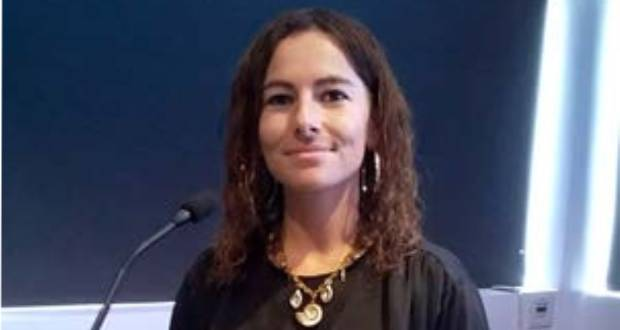
The findings, presented by marine biologist Margot Thibault at a regional workshop in Mauritius, indicate that the accumulation of waste between Rodrigues and Durban (at latitude 33 degrees south) is now more extensive than similar patches in the Atlantic, though it remains smaller than the North Pacific’s infamous Great Pacific Garbage Patch.

Turtles as ‘Bio-indicators’
Thibault, a researcher from the University of La Réunion, utilised Loggerhead turtles (Caretta Caretta) as biological indicators to measure the severity of the crisis.
Her study, published on ScienceDirect, found that a staggering 202 out of 266 turtles analysed between 2007 and 2021 had ingested plastic.
The research suggests the turtles are not selective eaters; the “hard” and “white” plastics found in their digestive tracts directly mirrored the types of debris found washed up on beaches across Madagascar, the Seychelles, and La Réunion.
Southeast Asian Origins
While local mismanagement plays a role, brand audits and circulation modelling identified Southeast Asia as the primary source of the plastic drifting into the region.
However, a significant portion of the pollution is attributed to a lack of clean drinking water in the Indian Ocean islands.
“The real problem in the Indian Ocean is access to drinking water,” Thibault explained. This necessity leads to a massive production of plastic bottles.
“Because management is not uniform, these bottles end up in the environment, in the ocean, and even inside the turtles I studied.”
Key Findings of the Study
- The Scale: The South West Indian Ocean (SWIO) is now a critical “hotspot” for plastic pollution.
- The Debris: Bottled water containers remain the dominant pollutant, highlighting the link between socio-economic factors and environmental degradation.
- Pathogens: During a 20-day stint aboard the Plastic Odyssey vessel, Thibault also identified pathogenic bacteria attached to floating debris near the Seychelles and Sainte-Marie.
A Call for Regional Cooperation
To combat the tide of waste, Thibault is advocating for an “inter-island cooperation” strategy. This would involve:
- Short-circuit recycling: Creating local recovery systems to reduce carbon emissions and reliance on foreign recycling plants.
- Water Infrastructure: Utilising regional budgets to improve access to potable water, thereby cutting the need for single-use plastic bottles at the source.
Source: Defi Media