
LIFE AND STYLE
124 Years of Cars: Mauritius Revving Up the Automobile History


In a fitting tribute to a milestone in Mauritian history, the Port-Louis Waterfront came alive with the charm of yesteryear as the island celebrated the 124th anniversary of the arrival of its first automobile. The scene was set with stunning displays of a 1922 yellow and black Citroën and a classic 1935 Bentley—a celebration not just of motor vehicles, but of a transformative period in the fabric of Mauritian life.
The story began back in 1901 when the ground-breaking model, a Dion Bouton, made its way from France, carried on the waves by the Iraouady, a passenger ship.
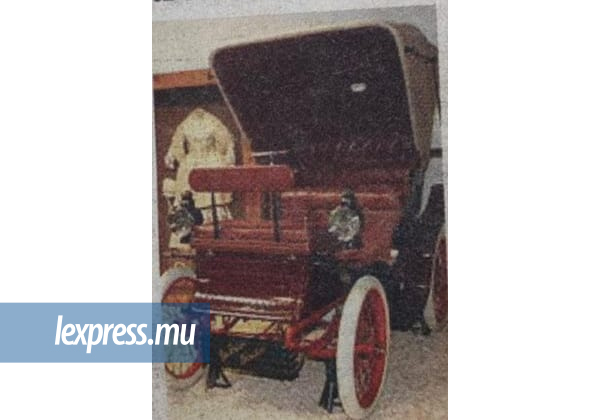
It was the grandfather of Father Philippe Goupille who brought this revolutionary contraption to our shores, marking a significant turning point in the nation’s history.
On that momentous day, the car was unloaded at Port-Louis, the very docks once bustling with trade, and was transported ashore for the first time—a process that required considerable effort, as Christophe Leroux, vice-president of SOS Patrimoine en Péril, recalling with a hint of nostalgia.
What rendered this tale even more captivating is the backdrop of a brewing cyclone, forcing repairs on the transport vessel before the car could reach solid ground—a precarious introduction of a pioneering technology to an island not yet fully ready for the upheaval it would bring.
With roads in disrepair, the car’s maiden voyage from Port-Louis to Beau-Bassin was far from ordinary; it was, indeed, a triumph against the odds.
Two years later, the island welcomed its second automobile, ushering in a new era of transport.
The introduction of this gasoline-powered wonder heralded a dramatic shift as the island transitioned from horse-drawn carriages to motor vehicles.
For the local populace, the sight of this marvel was nothing short of breathtaking.
Crowds would gather, eyes wide with wonder and anticipation, to catch a glimpse of the car as it rolled through the streets—an homage to luxury and innovation in a time when owning a vehicle was still considered a privilege reserved for the elite.
Memories of those early days were poignantly shared by Father Goupille’s cousin, who recounted the awe experienced by children when the engine roared to life.
“The sheer joy was palpable,” she reminisced. “Our great-grandfather ignited a passion for automobiles that has now enveloped our island.”
This week, the atmosphere was charged with nostalgia as the two showcased vehicles stood proudly by the waterfront, each a testament to the past century of automotive advancement.
Their unique designs and craftsmanship starkly contrasted the uniformity of modern cars, serving as a reminder of an era rich with character.
“These vehicles are symbols of a bygone age, lacking today’s luxuries like GPS and air conditioning,” commented Christophe Leroux, reaffirming their historical significance.
As a fitting conclusion to the celebration, petals were cast into the sea, and ship horns sounded, creating a solemn yet festive atmosphere.
Father Goupille emphasized the importance of paying homage to our automotive heritage as preparations begin for next year’s grand 125th-anniversary celebration.
This milestone is set to be marked with great fanfare, including plans for a memorial along the waterfront that will forever commemorate the arrival of that first brave vehicle.
Transport Minister Osman Mahomed applauded the initiative, acknowledging the challenges ahead with rising vehicle sales and traffic congestion, particularly noting the impact of the newly opened SAJ bridge: “It’s a real puzzle to manage all this traffic,” he remarked.
As we forge ahead, the legacy of that very first car in 1901 continues to shape our roads, our culture, and indeed, our collective memory.
Source: l’Express