

World News
“A Heavy Silence”: Al-Aqsa’s Courtyards Fall Quiet for First Eid in 59 Years

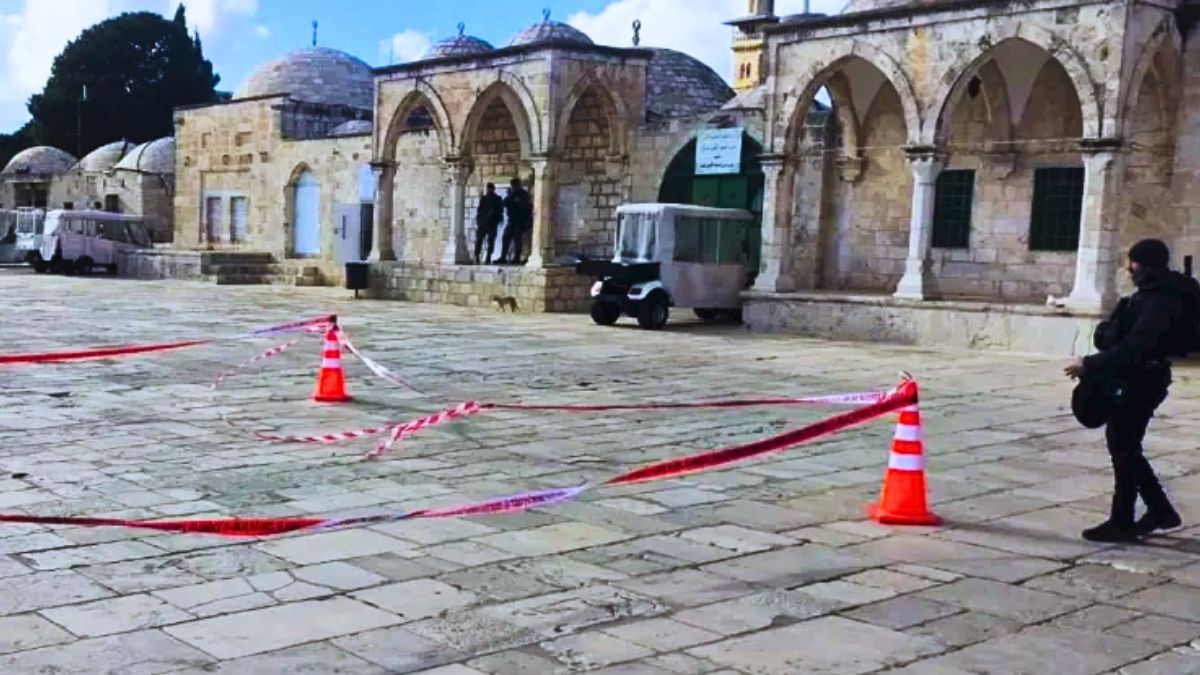
The historic sound of the Takbeer was absent from the Al-Aqsa Mosque on Thursday, 19 March, as worshippers were banned from the grounds for Eid Al-Fitr, marking the first time in nearly six decades that the holy site has been silenced for the festival.
The closure, which follows a 59-year streak of uninterrupted Eid prayers, has left the mosque’s courtyards and corridors empty.
The ban follows a prolonged shutdown of the site that spanned the final ten days of Ramadan, including the Night of Decree and the last Friday of the holy month.
Security pretexts
Occupation authorities moved to close the mosque and the Old City of Jerusalem on 28 February.
The closure was attributed to a state of emergency declared in the wake of a joint American-Israeli attack on Iran.
Despite the restrictions, many Palestinians have demonstrated steadfastness by performing Taraweeh and Isha prayers near the Gate of the Tribes.
However, these gatherings faced intervention from occupation forces, who reportedly dispersed worshippers and removed a mosque guard from the area in a move described by locals as a significant escalation.
A “sacred call” to the gates
In response to the prohibition, the mosque’s preacher, Sheikh Ikrima Sabri, issued a “sacred call” to the people of Jerusalem, the West Bank, and the occupied interior.
He urged Muslims to perform their religious duty at the “nearest possible point” to the sanctuary, including the doors, thresholds, and surrounding streets.
Sheikh Sabri framed the act of praying at the gates as a national and religious necessity to break the ongoing siege of the site, which serves as the first Qibla for Muslims.
Rising anger and “International Silence”
The move has ignited a wave of fury across social media, with Palestinian and Arab activists branding the ban a dangerous provocation and an assault on spiritual rights.
Defenders of the site have described this year as the “toughest Ramadan and Eid” they have ever experienced, citing a deep emotional and spiritual void.
Public reaction has also been marked by frustration toward the international community.
Many have expressed astonishment that the mosque has remained closed for 20 days without a practical official response beyond written statements.
Fears of a broader agenda
Beyond immediate security concerns, there are growing fears among observers that the closure may be extended.
Some bloggers and activists suggest the move is a deliberate attempt to test the patience of the Muslim world and impose permanent changes on the mosque’s administration.
There are further concerns that the closure could facilitate long-term “Talmudic schemes,” with some warning that the continued absence of a robust defense of the site could eventually lead to more severe violations against the Al-Aqsa sanctuary.
Source: SadaNews