
LIFE AND STYLE
Mauritius Offers 5 Inland Adventures Beyond the Famous Turquoise Beach Resorts

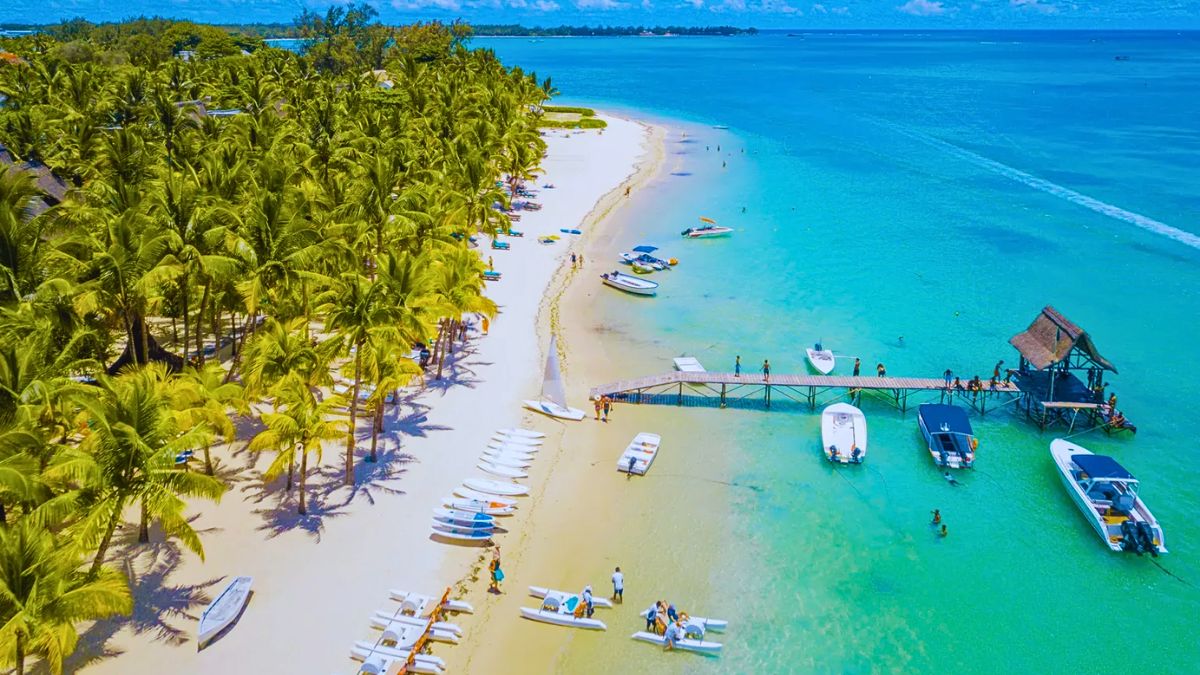
Mauritius is launching a major push to redefine its global image, urging tourists to swap their sun loungers for mountain peaks and multicultural street food as the island nation diversifies its tourism industry.
Speaking at the ITB Berlin travel trade fair, Dinesh Burrenchobay, chairman of the Mauritius Tourism Promotion Authority, revealed that the Indian Ocean destination is keen to broaden perspectives by highlighting its inland natural paradise and rich cultural heritage.
A Paradise for Adventure
While the island’s turquoise waters remain a primary draw, officials are now spotlighting “sports and outdoor adventure tourism.”
Key attractions include the 7 Coloured Earth Geopark in the Chamarel plain and the UNESCO World Heritage site of Le Morne Brabant, which features a 556-metre basaltic mountain.
For those seeking more rugged terrain, the Black River Gorges National Park—the island’s largest protected area—now offers over 50 kilometres of hiking trails.
“In 10 days, you can do much more than just being on the lounger,” Mr Burrenchobay said, noting that travellers are becoming increasingly adventurous.
‘Several Continents on One Island’
The shift also encourages visitors to engage with the island’s diverse identity. In the capital, Port Louis, the revived Chinatown sits alongside Indian and Creole eateries.
Local delicacies such as rougaille—a spiced tomato stew—and traditional deer curry are being promoted as essential experiences.
The island’s spiritual landscape is equally varied:
- Ganga Talao: A sacred crater lake in the centre of the island, considered the most holy Hindu site in Mauritius.
- Jummah Mosque: One of the oldest mosques in the Indian Ocean.
- Marie Reine de la Paix: A Roman Catholic shrine overlooking the capital.
“I think a lot of tourists are always a bit blown away by the fact that it’s such a small country with these people living side by side and very peacefully,” Mr Burrenchobay added.
Sustainable Future
Despite the inland push, the coastline remains a priority for local authorities, who are currently implementing protections against coastal erosion caused by climate change and transitioning to renewable energy.
The government is also looking toward “regenerative tourism,” with Mr Burrenchobay calling for initiatives that involve tourists in supporting local communities.
The goal, he stated, is for visitors to “make a difference” so that they leave the island better than they found it, ensuring they “want to come back again.”
Source: euronews