

News
Reservoirs in Mauritius See Major Recovery as Water Levels Surge to 71%

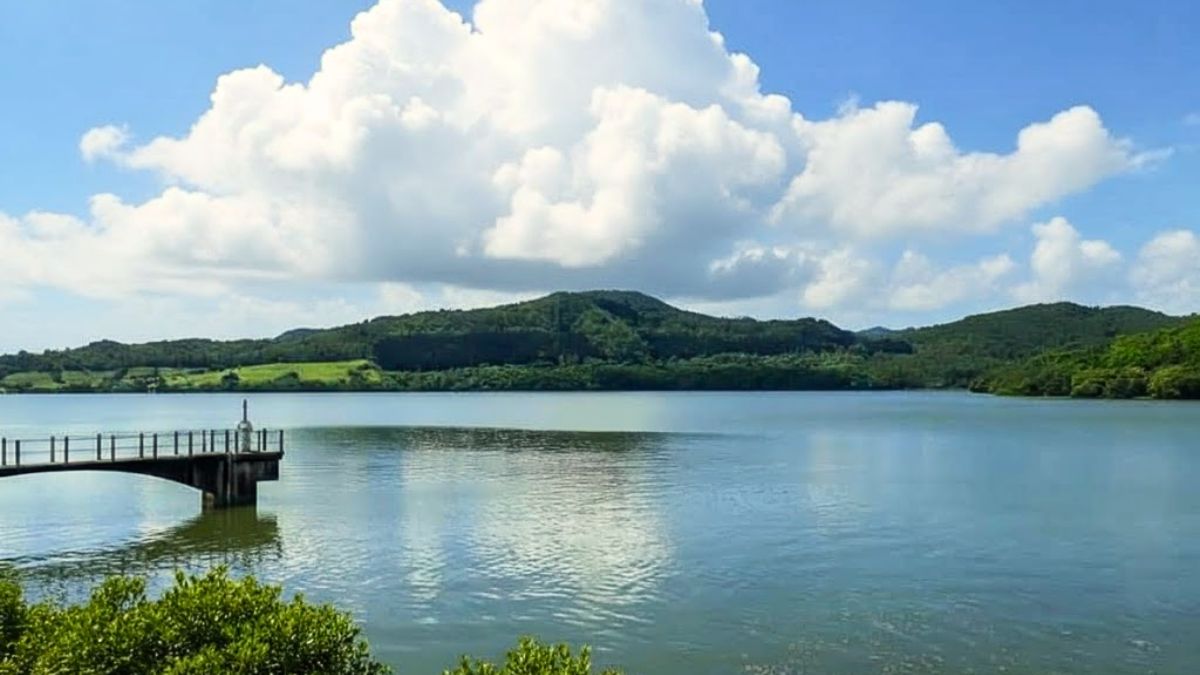
Mauritius has seen a dramatic improvement in its national water security, with overall reservoir levels climbing to 71.3% this month, a significant leap from the dire conditions recorded this time last year.
Data released by the Water Resources Commission of the Ministry of Energy and Public Utilities confirms that as of 20 January 2026, the island has largely moved away from the acute “water stress” of 2025, when the average filling rate languished at just 42.1%.
Reservoir Performance
The recovery is visible across the island’s infrastructure. Mare-Longue is currently leading the recovery at 93.3% capacity, followed closely by Bagatelle at 86.4%.
Even Mare-aux-Vacoas, the nation’s largest reservoir, has climbed to 67.2%, up from a worrying 46.7% in January 2025.
| Reservoir | Jan 2026 Level | Jan 2025 Level |
| Mare-Longue | 93.3% | 58.6% |
| Bagatelle | 86.4% | 40.8% |
| Piton-du-Milieu | 77.3% | 43.5% |
| Midlands | 73.7% | 40.6% |
| Mare-aux-Vacoas | 67.2% | 46.7% |
| La Nicolière | 63.1% | 44.3% |
| La Ferme | 46.0% | 26.4% |
A year ago, the outlook was bleak; not a single reservoir in the country exceeded the 60% mark.
La Ferme remains the lowest-performing site at 46%, though this still represents a nearly twenty-point increase from its 26.4% low in 2025.
Weather Patterns Drive Recharge
Meteorological data from the Vacoas station attributes this “progressive recharge” to favourable rainfall in late 2025.
December saw national precipitation hit 104% of the long-term average, totalling 171mm.
The Central Plateau received the highest volume of rain at 273mm, while the West recorded the highest percentage increase, reaching 163% of its seasonal norm.
Outlook for 2026
Forecasters are optimistic for the first quarter of the year. Rainfall for January, February, and March is expected to remain near seasonal norms—approximately 95% of the 1991–2020 average.
Monthly totals are projected to reach 265mm this month, 305mm in February, and 275mm in March.
Experts suggest that while the water situation appears stable, the long-term outlook depends on regular rainfall distribution and continued responsible management of water resources.
Source: l’Express