

News
50-Metre Buffer Zones Proposed to Save Beaches from Invasive Filao Tree Erosion

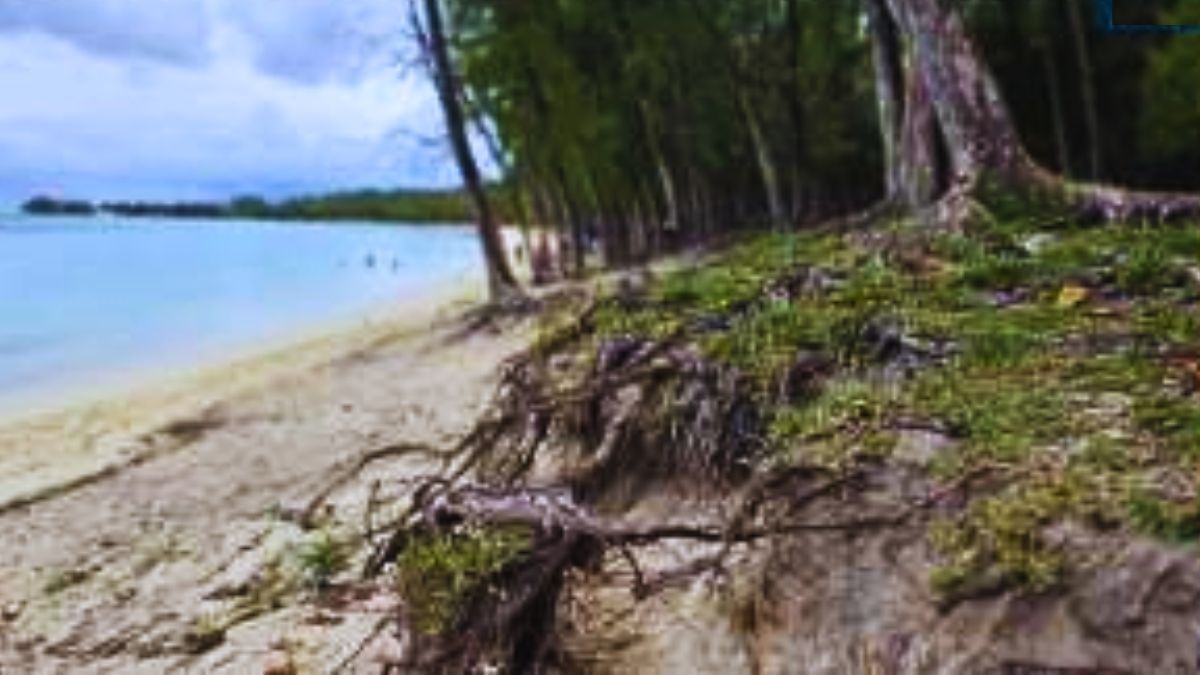
The long-standing use of filao trees as coastal protection is being called into question by experts, as concerns mount that the iconic “wind breakers” may actually be contributing to beach erosion.
While the Casuarina equisetifolia has become a cultural staple of the coastline since its introduction in the 1970s, a 2022 government-commissioned study suggests these rigid trees can exacerbate the loss of sand when planted too close to the shoreline.
Experts are now weighing the cultural value of the trees against the urgent need for more effective, native ecological barriers.
The Erosion Factor
According to sustainable development consultant Sunil Dowarkasing, the filao is a non-native species with a shallow root system and a rigid structure that fails to absorb the ocean’s energy.
“As a rigid structure subjected to the back-and-forth of the waves, it returns the force received without absorbing it and fails to mitigate the pressure of the sea,” Dowarkasing explained.
He noted that while the public has come to view them as part of the natural ecosystem, they are “exotic” intruders.
The 2022 study recommended a drastic shift in management:
- A 50-metre buffer zone: Removing all filao trees within 50 metres of the high-tide mark.
- Native restoration: Replacing the trees with endemic species.
A Cultural Stalwart
Oceanographer and environmental engineer Vassen Kauppaymuthoo offers a more nuanced perspective, defending the filao’s place on the beach.
He argued that the trees provide essential shade for visitors and carry significant cultural weight, serving as the backdrop for generations of leisure and celebration.
“I do not agree that the filaos should be removed,” Kauppaymuthoo stated. He contended that while rising sea levels and sand compaction are issues, the trees are not the primary cause of erosion.
However, he acknowledged they become a physical hazard when roots are exposed by severe erosion, at which point they must be cleared.
Turning to Nature’s Own
As the debate continues, attention is shifting toward indigenous alternatives such as veloutier and batatran.
These local species are naturally adapted to sand protection, though Kauppaymuthoo warns they may still struggle against the force of exceptionally high tides.
Despite their limitations, these native plants are increasingly viewed as a necessary solution to balance the island’s delicate coastal equilibrium.
Source: l’Express