

News
Government Monitors 5,000 Products As Global Tensions Drive 6% Inflation Spike

Mauritian households are facing a significant squeeze on their purchasing power as inflation is now forecast to hit 6%, driven by the escalating conflict in the Middle East.
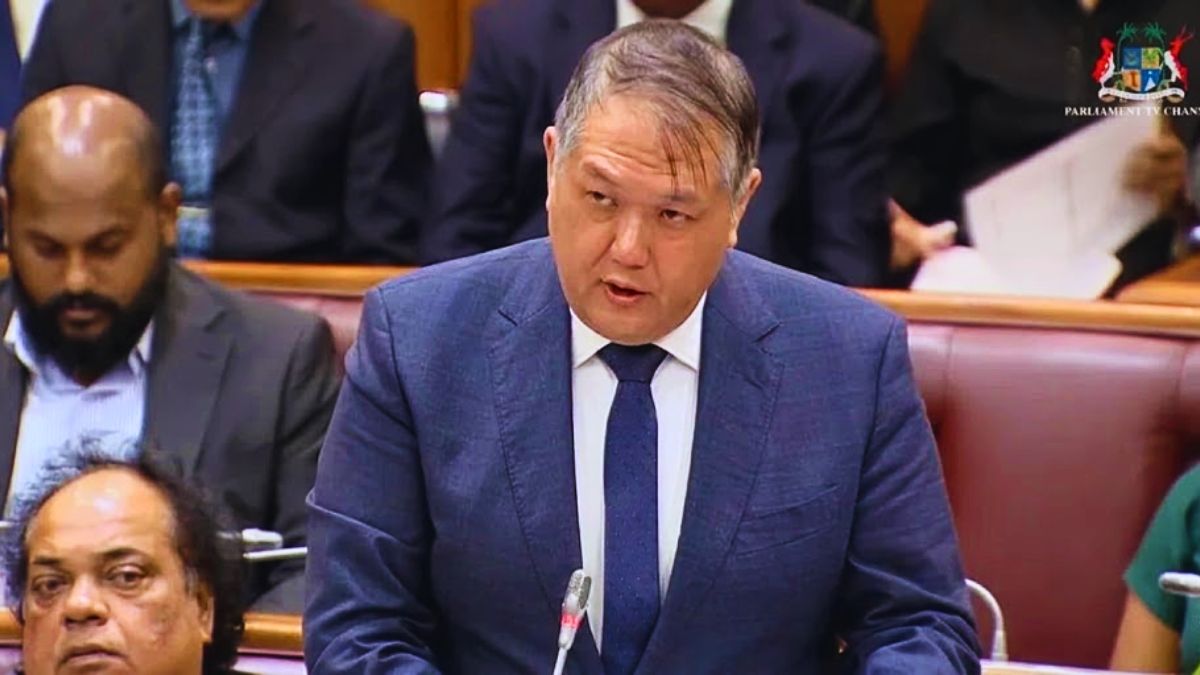
Addressing a Private Notice Question in the National Assembly on Tuesday, 24 March, the Minister of Commerce and Consumer Protection, Michaël Sik Yuen, confirmed that international price hikes and severe supply chain disruptions are already impacting the island nation.
Economic Shockwaves
Initially estimated to hover between 3.6% and 4% for 2026, inflation could now soar to 6% depending on international price volatility.
Analysis from the Macroeconomic Coordination Committee suggests that Mauritius, which relies heavily on imports, is suffering a multi-level external shock.
The Minister highlighted several primary drivers behind the rising cost of living:
- Energy and Freight: Rising oil prices and increased costs for freight and insurance.
- Currency Pressures: The appreciation of the US dollar against the local currency.
- Food Security: Higher costs for imported foodstuffs, exacerbated by rising prices for agricultural inputs and fertilisers.
“The rise in fuel prices directly impacts transport, production, and distribution costs,” Mr Sik Yuen explained, noting that logistical constraints are leading to longer delays and supply difficulties.
Government Intervention
In response to the crisis, a high-level committee chaired by the Financial Secretary has been established to monitor the situation.
The committee is tasked with proposing measures to support small and medium enterprises and vulnerable households.
The government currently maintains a price control system covering over 5,000 products. This includes:
- Margin Caps: Fixed margins on approximately 30 essential items.
- Price Fixing: Set prices for strategic goods including bread, gas, rice, and flour.
- Healthcare: Specific pricing mechanisms for essential medicines, particularly for diabetes and cardiovascular diseases.
Financial Support and Subsidies
Mr Sik Yuen pointed to the Price Stabilisation Fund, which has a Rs 10 billion framework over five years, as a key tool for consumer protection.
To date, approximately Rs 628 million has been disbursed—including Rs 110 million in the last three months alone—with total disbursements expected to reach Rs 1.6 billion by the end of the financial year.
These subsidies target everyday staples such as powdered milk, cooking oil, baby nappies, cheese, canned fish, and pulses.
Strategic Stocks
The State Trading Corporation (STC) has been directed to diversify import sources and maintain security stocks of fuel and essential goods.
Regarding the Price Stabilisation Account, as of 23 March 2026, there is a surplus of approximately Rs 400 million for Mogas, countered by a deficit of Rs 2.3 billion for Gas Oil, resulting in a net deficit of Rs 1.9 billion.
This mechanism is intended to “smooth” international price variations and prevent sudden spikes at the petrol pump.
The Minister assured the Assembly that the government remains ready to adjust measures to protect the purchasing power of the most vulnerable citizens.
Source: Defi Media