

News
Public Sector Union Threatens ILO Intervention over “Restrictive” 2026 PRB Report

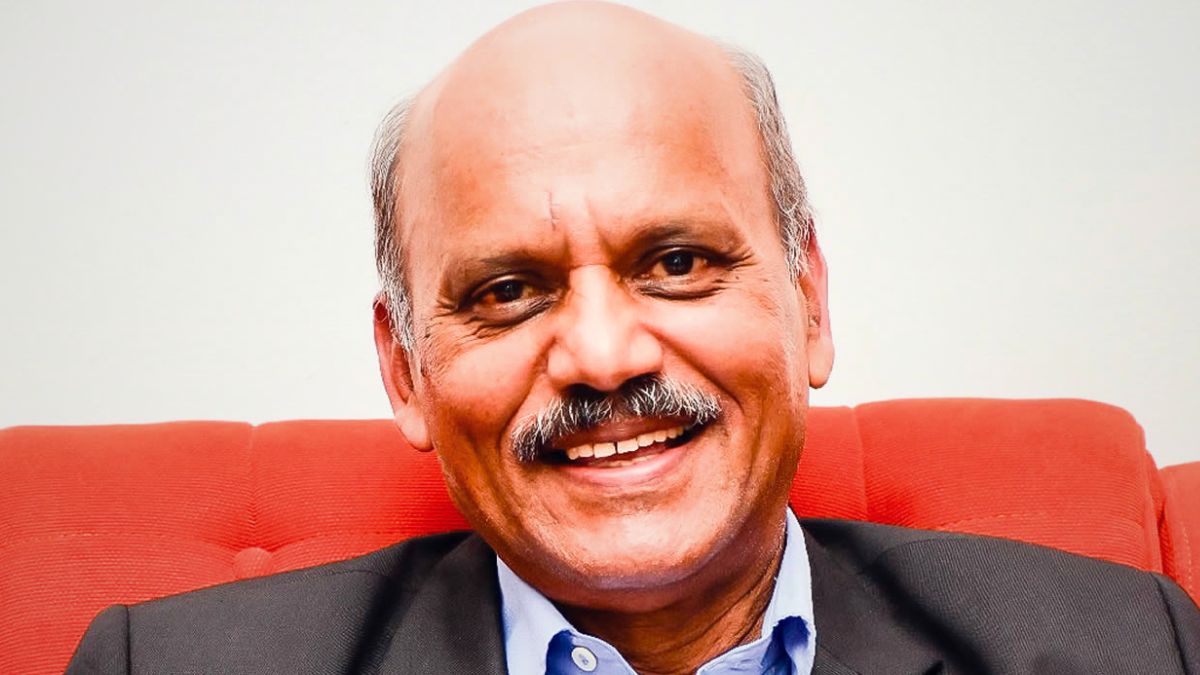
The State and Other Employees Federation (SOEF) has threatened to escalate a dispute over the implementation of the 2026 Pay Research Bureau (PRB) report to the International Labour Organisation (ILO), citing concerns over “inherent complexities” and potentially inequitable working conditions.
In a formal letter sent on 13 March to the Ministry of Civil Service and Administrative Reforms, the federation voiced “serious concerns” regarding both the content of the report and the rigid framework established for its application.
The dispute centres on paragraph 20.32 of the report, which dictates that the addendum process will be restricted solely to “genuine errors or omissions.”
The SOEF argues that this approach is “excessively restrictive,” preventing public servants from challenging decisions for a five-year period.
The federation’s negotiator, Radhakrishna Sadien, argued that this effectively blocks access to independent institutions.
The union drew unfavourable comparisons to the private sector, where collective bargaining and access to bodies like the Commission for Conciliation and Mediation or the Employment Relations Tribunal remain standard.
“Refusing public sector workers a comparable mechanism for dispute resolution is intrinsically inequitable,” the federation stated.
The SOEF contends that the state’s unilateral approach may violate international labour standards, specifically citing:
- ILO Convention 87: Concerning freedom of association and protection of the right to organise.
- ILO Convention 98: Concerning the right to organise and collective bargaining (ratified by Mauritius in 2019).
- ILO Convention 144: Concerning tripartite consultations.
While the federation acknowledged the “considerable work” undertaken by the PRB, it highlighted that the report itself admitted to a “critical shortage of technical staff” and the reliance on “obsolete or incomplete” information. The union suggested these constraints limited the exercise’s scope.
Further concerns were raised regarding “regressive” recommendations—notably those affecting leave, passage benefits, bus travel, and Sunday work compensation.
The union also highlighted procedural contradictions, specifically noting a conflict between the PRB report’s recommendation for a 1 January 2026 effective date and a ministerial circular announcing a two-phase implementation, with only 50% paid in 2026 and 100% in 2027.
This latest move follows a legal challenge initiated last week by SOEF president Rishirah Persand and Ministry of Health Employees Union president Amarjeet Seetohul, who filed an emergency injunction against the government’s “Option Form” regarding the report’s implementation.
Source: Defi Media