
News
Mauritius and Cape Verde Top African Governance Rankings for 2026

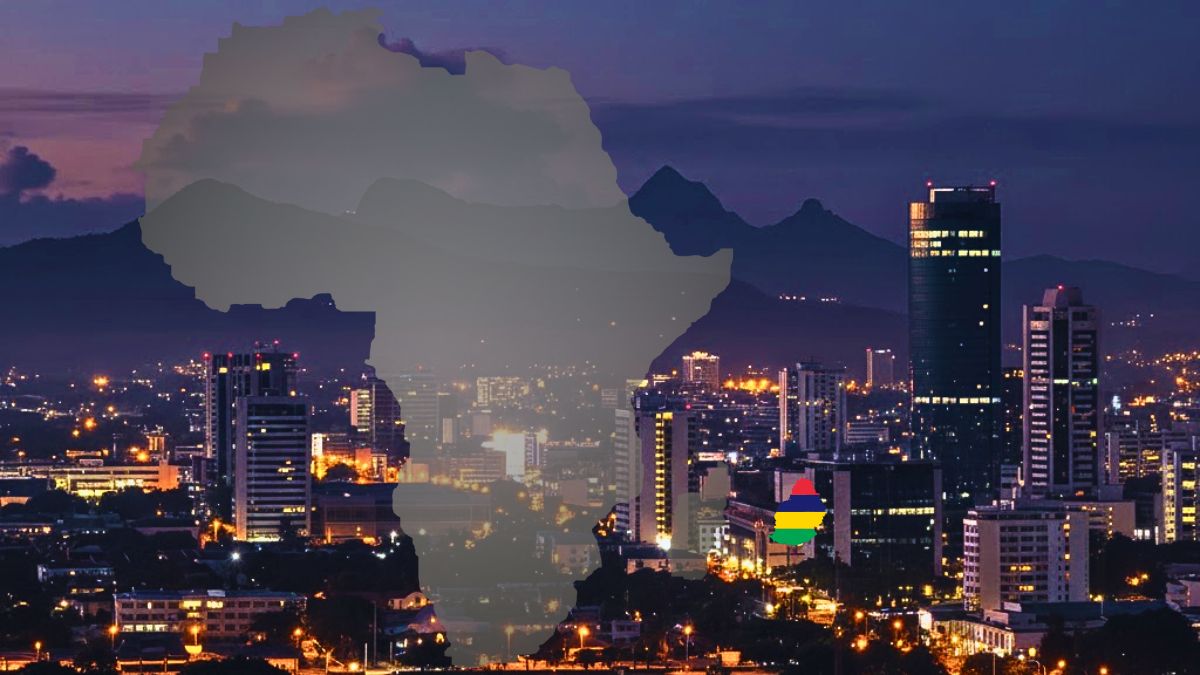
MAURITIUS has secured its position as one of Africa’s premier benchmarks for the rule of law, ranking 37th globally in the newly released 2026 World Economics Governance Index.
The report, published by Business Insider Africa on Saturday, 21 February, reveals that while several African nations are making “constant progress” in democratic openness—specifically regarding political rights and press freedom—systemic corruption and weak legal frameworks remain significant hurdles for the continent.
Mauritius: A Leader in Law
Mauritius stands out in the 2026 rankings with an overall global score of 68.4. Most notably, the island nation achieved a score of 69.5 for the Rule of Law, the highest among all African countries listed in the report.
The country’s performance is bolstered by high marks in:
- Political Rights: 90.5
- Press Freedom: 67.7 (judged as “satisfactory”)
However, the index identified a clear “weak point” for Mauritius: its Control of Corruption, which scored 46.1. This specific metric continues to weigh down the nation’s overall global evaluation.
The African Top Five
The index uses a 100-point scale, where 100 represents the most solid and reliable institutions. Cape Verde leads the continent, placing 29th globally.
| African Rank | Country | Global Rank | Overall Score | Key Performance Metrics |
| 1 | Cape Verde | 29th | 74.0 | Political Rights (95.2); Press Freedom (77.6) |
| 2 | Mauritius | 37th | 68.4 | Rule of Law (69.5); Political Rights (90.5) |
| 3 | Namibia | 42nd | 65.0 | Press Freedom (78.1); Rule of Law (60.0) |
| 4 | South Africa | 45th | 62.3 | Political Rights (83.3); Press Freedom (78.6) |
| 5 | Botswana | 49th | 61.1 | Corruption Control (59.2); Rule of Law (58.6) |
Challenges for Regional Powers
While South Africa and Namibia show strong results in press freedom, both grapple with institutional integrity. South Africa’s score is notably hampered by a low corruption control rating of 36.8.
Botswana (49th) maintains a more balanced institutional profile but lags slightly behind the leaders in press freedom (55.3) and political rights (71.4).
Emerging and Fragile Progress
The lower half of the African Top 10 highlights the disparity between political intent and institutional reality:
- Ghana (52nd): Strong political rights (88.1) but weak rule of law (45.7) and limited corruption control (39.5).
- Senegal (63rd): A participatory system with satisfactory political rights (73.8), but restricted by a “fragile” rule of law (41.1).
- Malawi (8th in Africa): Shows signs of opening but is stalled by structural governance challenges.
- Sierra Leone (73rd): Good press freedom (66.5) but very low scores in rule of law (26.4) and corruption control (27.6).
- The Gambia (74th): Improvements in press freedom (65.4) are undermined by weak corruption control (31.6).
The 2026 Index concludes that while the “roadmap to authenticity” and democratic consolidation is being paved, structural reforms remain essential to ensure that progress in rights is matched by the strength of the state.
Source: Defi Media