

LIFE AND STYLE
Rising Heat, Humidity, and Low Pressure Push the Body to Breaking Point

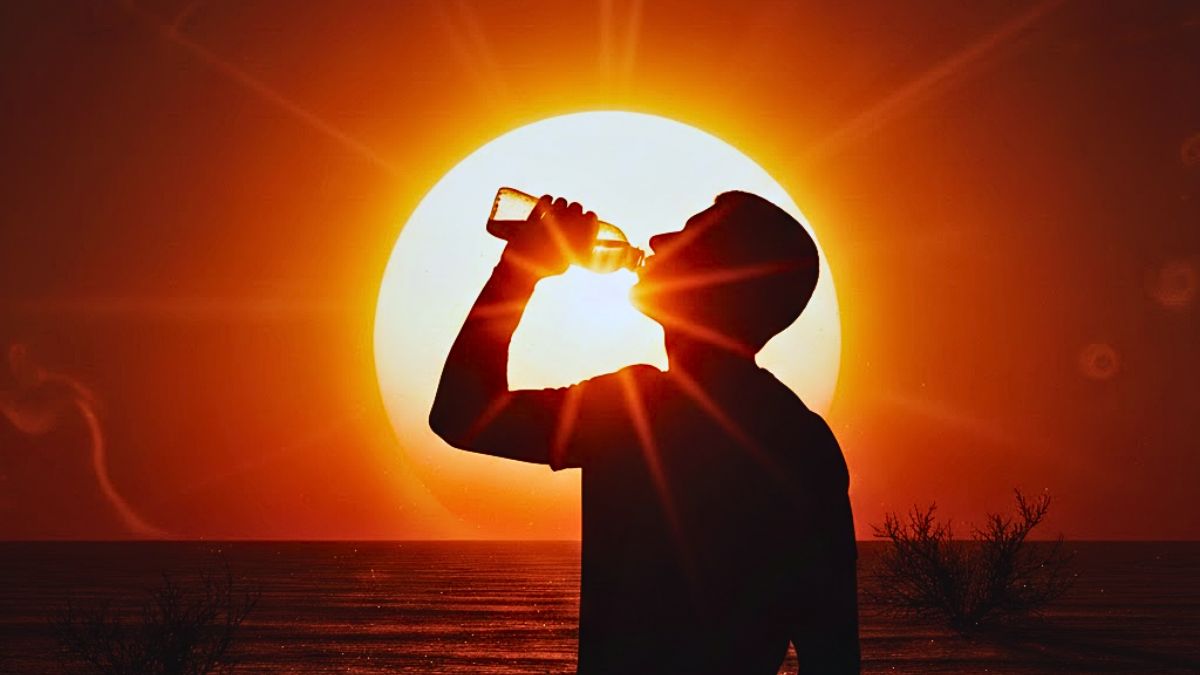
Residents across the Mascarene Islands are facing severe health risks as a combination of soaring temperatures, stifling humidity, and plunging atmospheric pressure puts the human body under unprecedented strain.
Medical experts and environmental scientists have issued warnings as the cyclone season intensifies, noting that the current meteorological cocktail is disrupting the body’s natural ability to regulate temperature.
General practitioner Dr Aukhojee Yasheel warns that the high humidity renders sweating less effective, significantly increasing the risk of dehydration, heatstroke, intense fatigue, and sudden drops in blood pressure.
Vulnerable Groups at High Risk
The health implications are particularly acute for the elderly, children, pregnant women, and those with chronic conditions.
According to Dr Yasheel, the drop in atmospheric pressure—which can fall to 988 hectopascals during cyclonic events—can trigger:
- Migraines and joint pain.
- Respiratory distress in asthmatic patients.
- Dizziness, fainting, and a general sense of malaise.
“The low pressure can create a sensation of ‘lack of air,’ which is only worsened by the heat,” Dr Yasheel noted, advising the public to stay hydrated, avoid strenuous physical activity, and seek ventilated or air-conditioned spaces.
The “Oceanic Battery” Effect
The root of this environmental crisis lies beneath the waves. Vassen Kauppaymuthoo, an oceanographer and environmental engineer, explained that the extreme heat is driven by the Indian Ocean Dipole.
Mr Kauppaymuthoo revealed that the world’s oceans have absorbed approximately 80% of the energy generated by global warming.
To illustrate the scale, he noted that the energy stored by the oceans in 2025 is equivalent to the entire world’s electricity consumption for the year 2023.
A Breeding Ground for Storms
With ocean temperatures exceeding 26°C down to depths of 60 metres, the region has become a high-energy incubator for cyclonic systems.
These warm waters not only fuel rapid storm development but also dictate the atmospheric conditions on land.
As the air warms, it becomes less dense, leading to the drop in pressure that is currently impacting the physical wellbeing of the population.
With the cyclone season in full swing, experts expect these challenging conditions to persist, keeping the pressure on both the environment and public health.
Source: l’Express