

LIFE AND STYLE
7 Vital Strategies To Protect Your Pets From Terrifying Fireworks

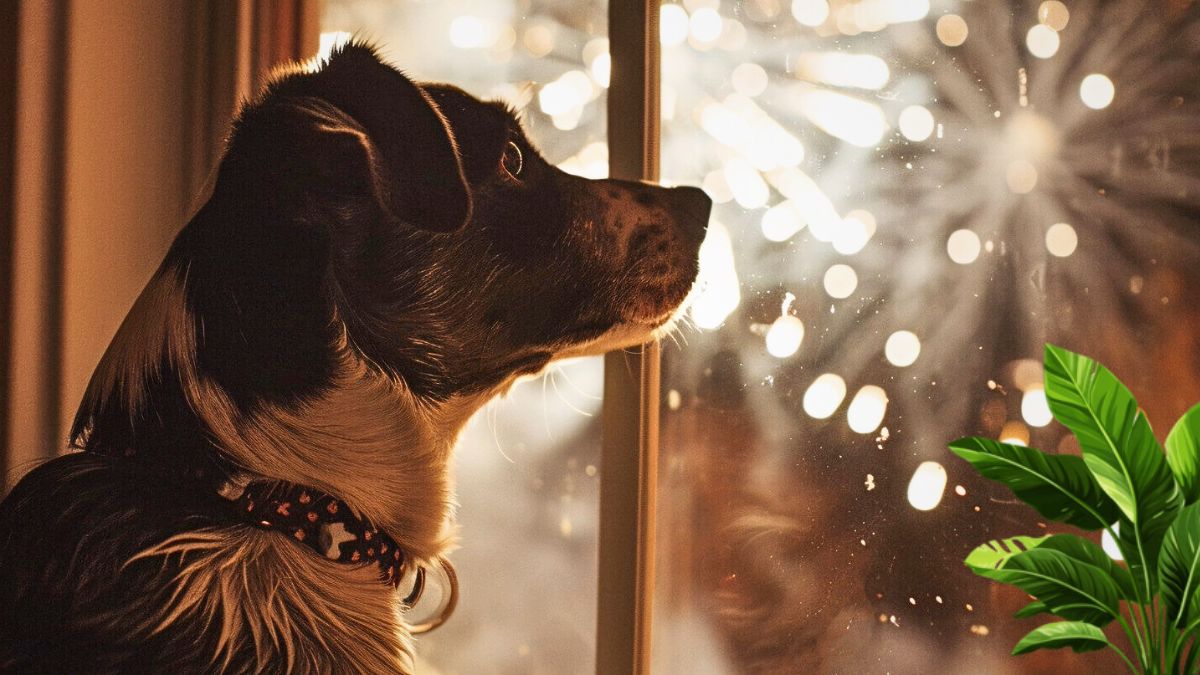
Pet owners are being urged to keep their animals safely inside during fireworks displays, as vets warn that sudden bangs and flashes trigger a life-threatening “flight” instinct. Data highlighted a significant spike in missing pets during celebratory periods. Veterinary surgeon Dr Laetitia Barlerin warns that for dogs and cats, the dazzling lights and deafening detonations are not entertainment, but a perceived danger they must escape at any cost.
To help owners navigate these stressful periods, experts have outlined seven essential steps to ensure animal safety.
The 7-Point Safety Guide
- Do Not Take Pets to Displays: Never take a dog to a fireworks show. Dr Barlerin warned that puppies are especially vulnerable; forcing them to stay on a lead during a display can lead to lifelong trauma as they are unable to flee the “violent” noise.
- Create a Safe Haven: Bring all animals indoors—never leave them in the garden. Provide a dedicated hiding spot, such as a quiet cupboard, a space behind furniture, or a travel crate, where they can feel enclosed and secure.
- Block Out Visual Triggers: Sudden flashes of light are as terrifying as the noise. Close all shutters, curtains, or blinds to ensure the animal cannot see the explosions outside.
- Maintain a Normal Routine: While it is tempting to cuddle a frightened pet, experts advise against “coddling.” Excessive attention can signal to the animal that they are right to be worried. Owners should go about their business normally to show the environment is safe.
- Use Background Noise: If leaving a pet home alone, leave the television or radio on. Constant background noise or music helps muffle the sudden “bangs” from outside, making them less startling.
- Consider Natural Calmers: For highly anxious animals, pheromone sprays, collars, or green tea-based supplements can help. In extreme cases, vets may prescribe a calming gel to be applied to the ear before the pet needs to go outside.
- Long-term Desensitisation: Owners can “decondition” pets by playing recordings of noises (thunder, lawnmowers, or fireworks) at a very low volume during playtime. Gradually increasing the volume over weeks helps the pet associate the sounds with positive experiences.
The Risk of Escape
Experts remind owners that a panicked dog can run for tens of kilometres, often ending in road accidents. Ensuring your pet is microchipped is a vital final precaution, as it remains the most effective way to reunite lost animals with their families after a panic-induced flight.
Source: Le Mauricien