

News
Governance Crisis Grips MACOSS as Members Allege Authoritarian Control over 400 NGOs

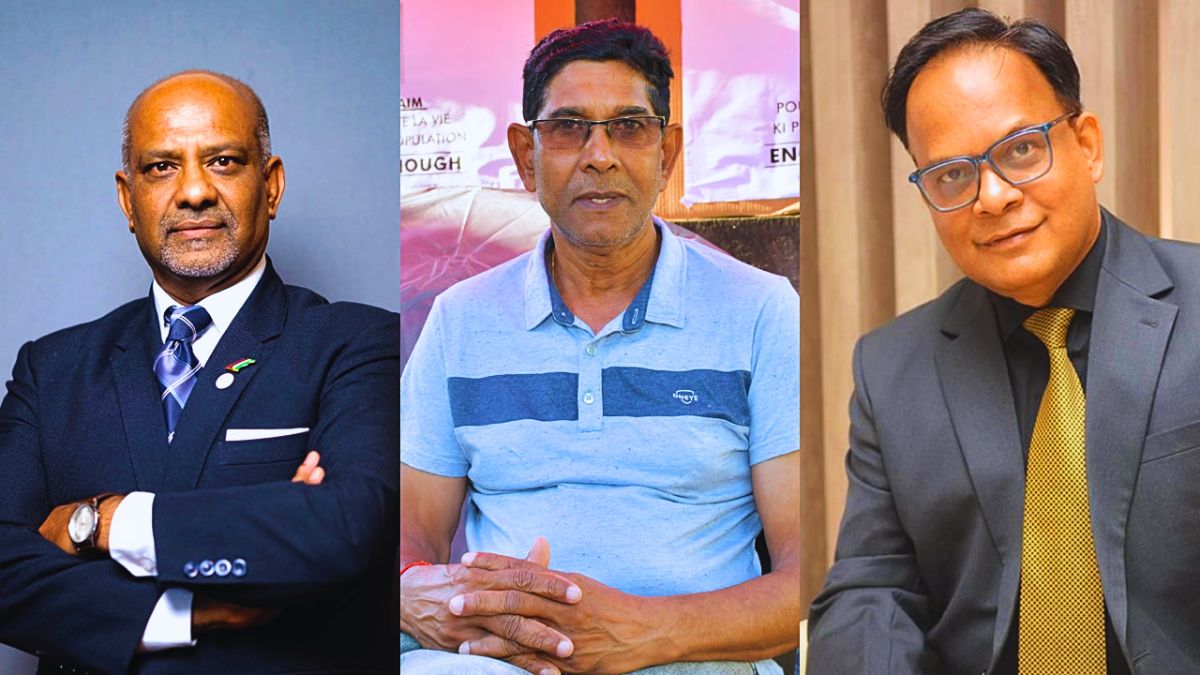
The Mauritius Council of Social Service (MACOSS) is facing a deep-seated governance crisis, with former officials and members breaking their silence over allegations of heavy-handed management and the mass exclusion of NGOs.
The unrest follows the uncontested re-election of Suraj Ray for a third consecutive term as president.
The election process itself has drawn sharp criticism, with detractors claiming potential candidates were discouraged from running, effectively ensuring Ray’s victory without competition.
Allegations of Purges and Control
Critics allege that the leadership has engaged in a systematic campaign to exert tighter control over the organization by drastically reducing its membership.
According to Dana Chenghen, a former MACOSS president, the council has dwindled to only about 40 active organizations, a sharp decline from the roughly 400 credible NGOs that were once engaged to foster synergy and professionalism.
Dissident members claim that the reduction of the affiliate base was deliberate.
Allegations suggest that active NGOs—including those working in fields such as HIV prevention, diabetes, and family planning—were effectively barred from membership after their affiliation payments were refused under the guise of pending regulation amendments.
Some critics even allege that small allocations were used to influence remaining members.
“Is an organization supposed to represent NGOs and civil society if it only has forty organizations under its guardianship?” questioned Chenghen.
Former secretary Ram Nookadee noted that the organization’s constitution does not allow for such abrupt termination of membership, especially for those in arrears.
Leadership Defends “Housekeeping”
Suraj Ray has firmly rejected the allegations, describing the controversy as a necessary “housekeeping” exercise to restore the institution’s credibility.
He maintained that he was not personally involved in the election process, which proceeded as planned after other candidates withdrew voluntarily.
Regarding the decline in membership, Ray argues that the organization had to move away from “ghost” structures that existed only on paper.
“MACOSS cannot work with phantom organizations,” he stated, adding that the Annual General Meeting (AGM) had vetted and confirmed these changes.
He further dismissed claims of a “dictatorial” style, insisting that his actions were focused on transparency and good governance.
Financial and Operational Disputes
The crisis has been further fueled by criticisms of the organization’s operational choices.
The decision to hold the AGM online was justified by Ray citing budgetary constraints, yet the move sparked outcry after it was revealed that new committee members were hosted at a restaurant in Bagatelle.
While critics labeled the optics “grotesque,” Ray defended the event, stating it cost Rs 20,000 and served to start the new committee’s term on a positive note.
MACOSS, which receives an annual budget of Rs 9 million from the National Social Inclusion Foundation (NSIF), remains the national platform for civil society.
However, former members argue that the organization has lost its reason for being, shifting away from its core mission of tackling urgent social issues like poverty and drug addiction.
As the conflict intensifies, veteran social workers defending the leadership maintain that only compliant, active NGOs deserve membership.
Amid the standoff, calls for institutional reform—including term limits for the presidency—have grown louder, with critics urging a restructuring of the body to better support the grassroots organizations it was established to represent.
Source: Defi Media