

News
New Legal Crackdown on Road Rage to Restore Civility for All Motorists

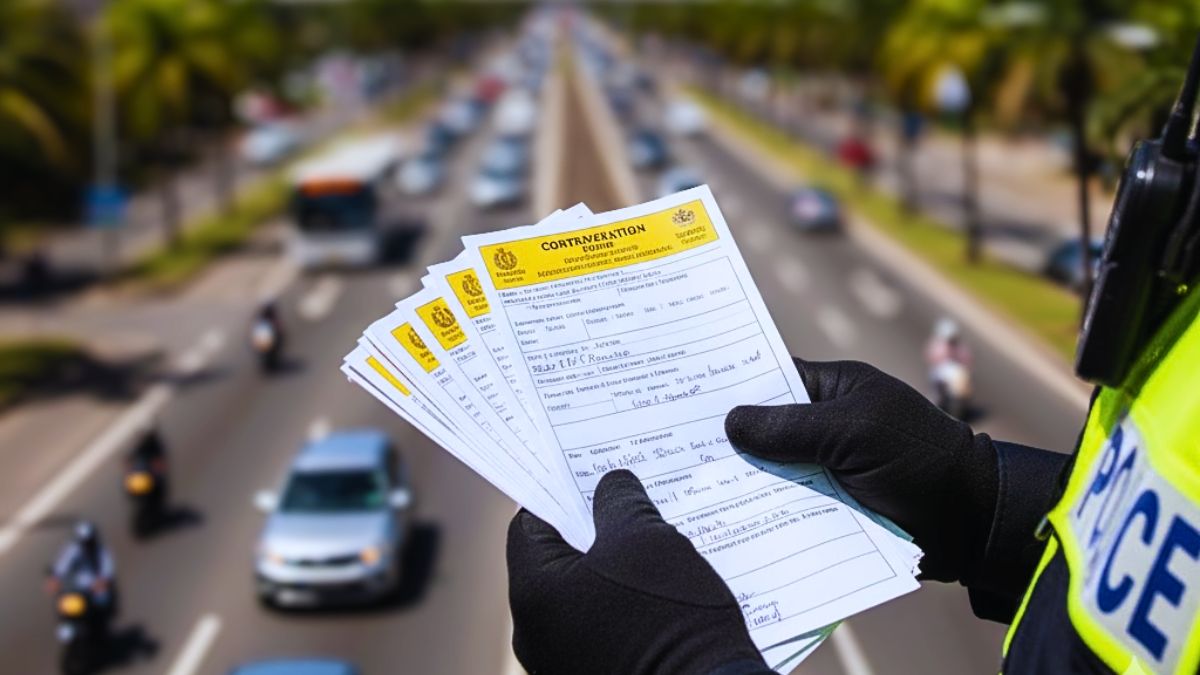
Aggressive motorists in Mauritius are set to face explicit legal prosecution as the government moves to integrate “road rage” into the upcoming Road Traffic (Amendment) Bill.
The Cabinet has officially greenlit the inclusion of road rage incidents in the legislative update, with formal drafting instructions already dispatched to the Attorney General’s Office.
The move marks a significant shift toward holding hostile drivers accountable under a specific legal framework.
National Inquiry into Roadside Civility
Alongside the legislative push, the Ministry of Land Transport is launching a comprehensive national survey to assess road etiquette.
Partnering with Cerebro Ltd and the pan-African organisation Etiquette Africa, the study will:
- Measure perceived civility levels across the national road network.
- Identify friction points between motorists, pedestrians, and public transport users.
- Analyse driver behaviour during critical situations, such as post-accident confrontations.
Data from the inquiry is expected to shape future public awareness campaigns, refine policy, and influence the strategic planning of road infrastructure.
A Growing Phenomenon
Alain Jeannot, president of Prévention Routière Avant Tout (PRAT), described road rage as a relatively recent but escalating issue.
He highlighted a recent viral incident in Tyack, where a motorist blocked traffic to assault another driver, as a prime example of the growing tension.
Mr Jeannot attributed the rise in volatility to the sheer volume of vehicles on the road. “Since the 1980s, we have seen a major increase in the number of vehicles; many households now have two or three cars,” he noted.
He suggested that heavy traffic, combined with daily pressures and impatience, creates a breeding ground for conflict.
Calls for “Civic Certification”
The PRAT president argues that the root of the problem lies in education. While many incidents currently go unreported to the police, Mr Jeannot believes the solution starts before a driver ever hits the road.
He has proposed that obtaining a driving licence should be tied to a “civic certificate,” ensuring drivers demonstrate a fundamental understanding of respect and roadside values.
“It is well and good to change the law, but we must also ensure that it is applied rigorously,” Mr Jeannot warned, adding that without strict enforcement, the new legislation may fail to curb confrontations that risk lives.
Source: Defi Media