
Business
Mauritian Industry on High Alert as Iran Conflict Threatens Global Supply Chains

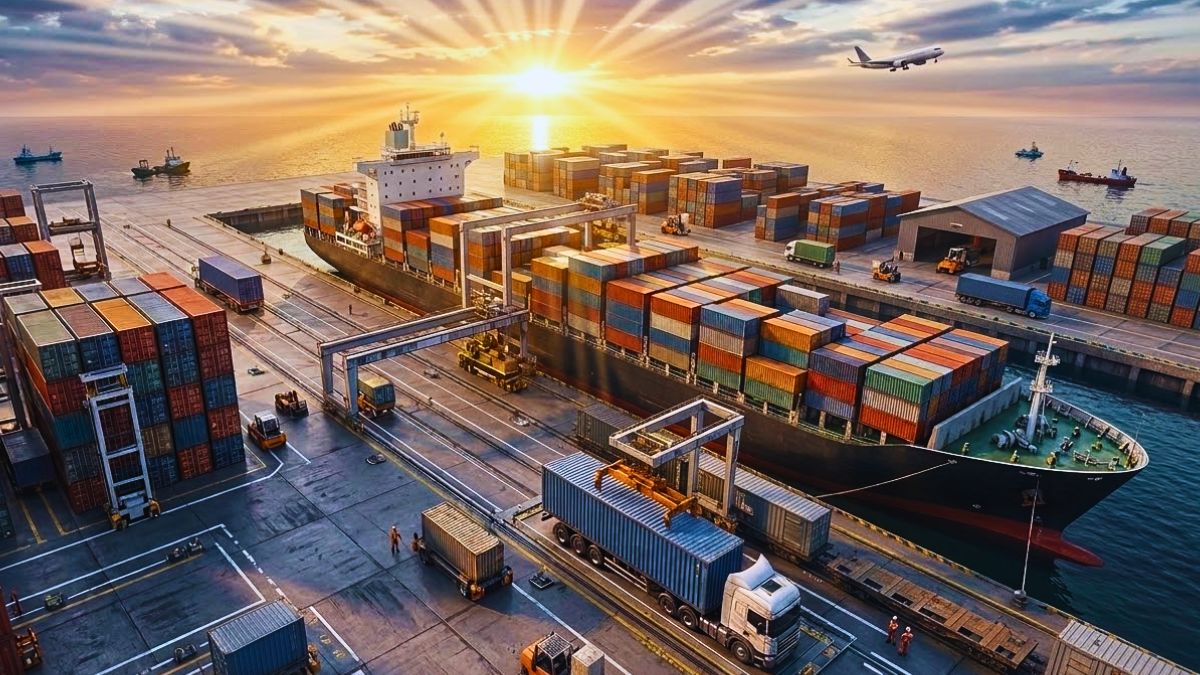
The Association of Mauritian Manufacturers (AMM) has entered a state of “vigilance” as escalating conflict in Iran threatens to disrupt global energy markets and vital maritime trade routes.
With the Strait of Hormuz and the Red Sea serving as critical arteries for international commerce, local industry leaders warn that any prolonged instability will result in volatile energy prices and significant logistical delays.
Immediate Impact on Shipping Costs
The financial repercussions are already being felt by local producers.
The AMM reports that the rising price of oil has directly inflated maritime freight costs, with a surcharge of approximately $3,000 (roughly MUR 138,000 ) now applied to 40-foot containers arriving from Europe.
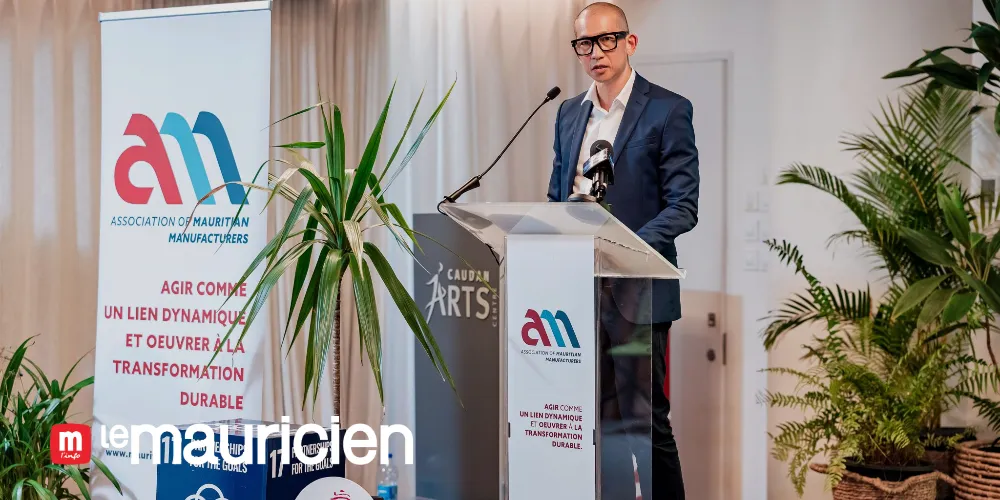
“The current conflict constitutes a major regional crisis and a rapid resolution seems unlikely,” said Lawrence Wong, President of the AMM.
He noted that businesses must prepare for “the first effects” of the turmoil, including delivery delays that complicate financial planning and stock management.
A Call for Industrial Sovereignty
The crisis has reignited debates regarding the resilience of the Mauritian economy.
Samuel Maujean, Deputy Chief Operating Officer of the AMM, argued that successive global shocks—including the COVID-19 pandemic and the war in Ukraine—demonstrate the necessity of a robust manufacturing base.
“A solid manufacturing sector is an essential element of the country’s economic security,” Mr Maujean stated.
The association is now leveraging the ongoing discussions surrounding the Industry Bill to advocate for the protection of local production.
They argue that strengthening the manufacturing sector is the only way to ensure “industrial sovereignty” and absorb external shocks.
Strategic Opportunities Amidst Instability
Despite the immediate risks, the AMM suggests the geopolitical shift could offer a strategic opening for Mauritius.
Leaders believe the nation can solidify its position as a regional manufacturing hub and a logistics platform if it acts swiftly.
To achieve this, Mr Wong called for the acceleration of several structural reforms, including:
- Port Reform: To improve logistical efficiency and support transshipment.
- Energy Transition: To reduce the island’s dependence on imported energy.
- Financial Services: Utilizing the international financial centre to support regional investment flows.
The AMM, which represents over 300 industrial companies catering primarily to the local market, confirmed it will continue to monitor the situation closely as the international environment grows increasingly unstable.
Source: Le Mauricien