

Opinion
5 Key Structural Cracks Threaten to Derail the Mauritian Investment Grade Rating

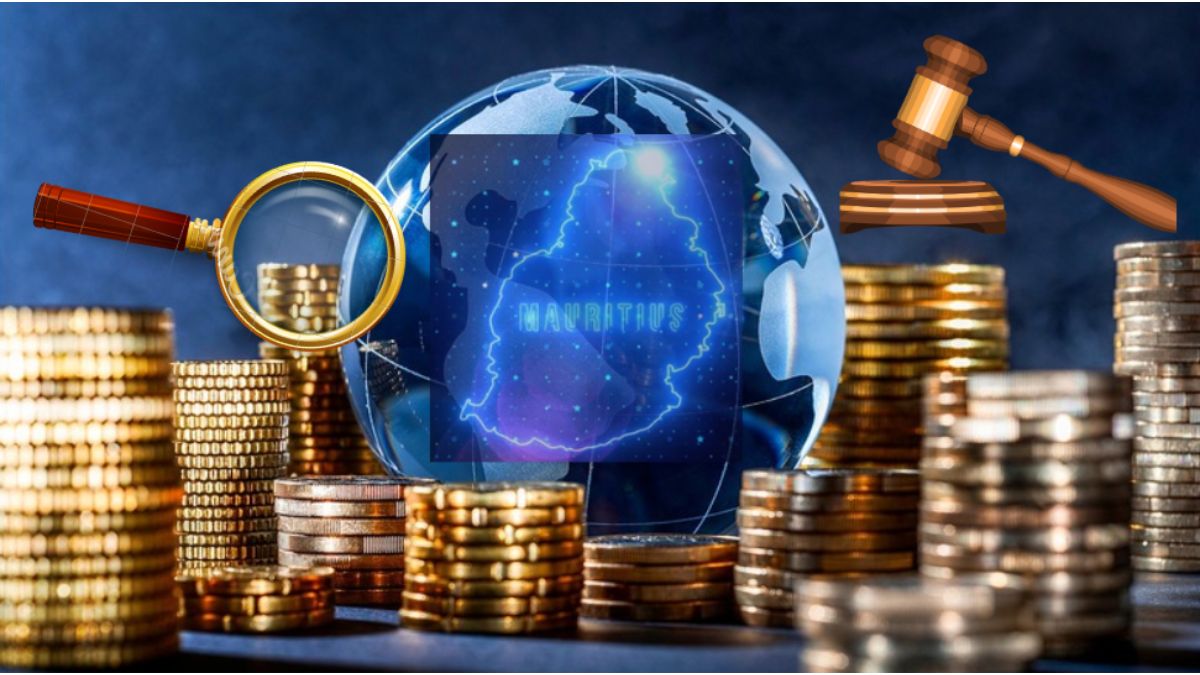
Mauritius is facing a critical race against time to save its international reputation as a stable investment hub, with Moody’s placing the island nation on a “negative watch” amid stalling reforms and structural decay.
The Indian Ocean economy, long punching above its weight through competence and credibility, is currently wrestling with successive budget deficits exceeding 9% and a looming 2027 Financial Action Task Force (FATF) review.
For a small, open economy reliant on its “investment-grade” badge, experts warn that the window for decisive action is rapidly closing.
Administrative Limbo
Despite securing a strong mandate in the 2024 election, the new administration has been accused of overseeing a period of “administrative limbo.”
Initial public goodwill has given way to frustration as key parastatal appointments were delayed and policy signals remained vague.
Investors have reportedly paused decisions as the government transitioned from blaming its predecessors to grappling with the reality of an economy that contracted by over 11% during the pandemic.
Structural Cracks Exposed
The traditional Mauritian growth model—built on tourism, a credible financial centre, and sound governance—is under unprecedented strain. The country is currently battling a “triple threat” of domestic shortages:
- Labour: A shrinking domestic workforce and the “brain drain” of young Mauritians have forced a reliance on foreign workers, yet recruitment processes remain “cumbersome.”
- Foreign Exchange: A structural imbalance has led to the emergence of a parallel market and rupee hoarding.
- Utilities: Frequent water and electricity shortages have prompted warnings of scheduled power cuts by 2026 unless domestic supply is significantly boosted.
Reputational Risks
Beyond the balance sheets, the island’s “safe” image is flickering. The United States recently issued travel warnings to citizens regarding crime, while a worsening drug problem and a series of corruption scandals have eroded institutional trust.
The offshore sector has also been unsettled by the “Tiger Global” case, prompting international institutions to question the jurisdiction’s value proposition.
“The issue is not the downgrade itself, but the reasons behind it,” the report suggests, noting that haphazard tax policies are further alienating foreign capital.
Signs of Resilience
Despite the “doom and gloom,” there are pillars of hope for the Mauritian treasury:
- The Chagos Settlement: Expected to be “transformative,” providing an annual $214 million payout in the first three years.
- Pension Reform: While politically costly, it is viewed as a vital step toward long-term fiscal sustainability.
- Tourism: The sector remains resilient, though it now requires “refreshing” to compete with rival jurisdictions that outstripped Mauritian growth in 2025.
The Roadmap to Recovery
To avoid a formal downgrade, analysts argue the state must pivot from “fiscal largesse” to disciplined consolidation.
Priority must be given to upgrading port and air infrastructure to ensure the flow of goods and talent is not constrained.
Furthermore, the government’s “Vision 2050” aims to build a new national consensus, but success depends on whether the administration can restore the “predictable and efficient” regulatory framework that once defined the island’s success.
The wake-up call has sounded; the question remains whether Mauritius can restore its equilibrium before its investment-grade status becomes a thing of the past.
Read more on ISS Africa