
Opinion
Sinking Worlds: Pacific Islands and Venice Face Extinction by 2050

Low-lying islands and iconic coastal cities, inluding Venice and the Maldives, are facing total disappearance within 25 years as global temperatures shatter critical safety limits, experts have warned.
Despite international pledges to halt warming at 1.5°C by 2030, that threshold was breached in 2023—the hottest year on record.
If immediate government intervention is not secured, temperatures could soar by 4°C, leading to a “point of no return” for the planet’s ecosystems and human geography.
TECHNICAL DATA: CLIMATE PROJECTION 2050–2100
The following figures detail the irreversible environmental shifts expected by mid-century:
| Environmental Factor | Status / Projection (2050) | Long-term Projection (2100) |
| Global Temperature | Breached 1.5°C in 2023 | Potential 4.0°C (if no action) |
| Sea Level Rise | + 0.23 metres | + 0.77 metres |
| Glacial Ice Loss | 58 million tonnes per year | Total loss of specific peaks |
| Coral Reefs | 90% disappearance (at 2°C) | Total ecosystem collapse |
| CO2 Levels | 50% increase in last century | Highest in 800,000 years |
ISLANDS ON THE FRONTLINE
The projections for 2050 paint a grim picture for global habitability. Rising sea levels, driven by the thermal expansion of warming waters and accelerated glacial melt, are threatening the physical existence of several nations.
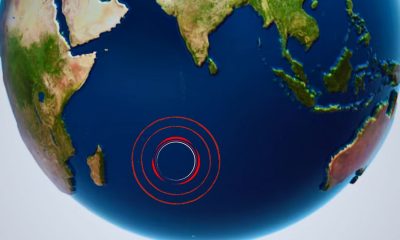
- The Seychelles: Several islands within the 100-island archipelago are expected to be submerged within the next 40 years.
- The Maldives: Already partially below sea level, these islands face total economic and physical displacement.
- Venice: The “City of Bridges” remains critically vulnerable due to historical neglect and rising tides.
- Hawaii: Experts predict the island will become uninhabitable by 2100 due to the 0.77m sea level rise.
THE ENVIRONMENTAL TOLL: FROM PEAKS TO REEFS
The crisis extends from the deep ocean to the highest mountain ranges.
- Vanishing Snowcaps: Natural snow is predicted to disappear from major ski resorts in the European Alps and the United States.
- Mountain Erosion: Iconic summits including Mount Kilimanjaro (Tanzania), Mount Kenya, and glaciers in Yunnan (China) are set to melt.
- Water Scarcity: The loss of 58 million tonnes of ice annually will lead to a vital lack of drinking water, as glaciers provide 5% of the water contributing to sea level rise.
INEQUALITY AND THE NORTH-SOUTH DIVIDE
Industrialised nations in the Northern Hemisphere remain the primary emitters of greenhouse gases, yet the socio-economic fallout is concentrated in the Global South:
- Famine: East Africa is currently enduring its worst drought in history, leaving 20 million people facing famine.
- Heat Extremes: Countries including Nigeria, Indonesia, Brazil, Pakistan, and the Philippines are recording dangerous temperature surges.
- Economic Impact: As resources dwindle, the world’s poorest populations will face soaring food prices and job losses in sectors affected by hurricanes and floods.
MITIGATION AND TECHNICAL SOLUTIONS
Experts stress that while the data is “irreversible,” immediate planning is required to prevent a total “tipping point.”
Key Measures Required:
- Energy Shift: Rapid transition to solar and wind power; China has already begun covering vast deserts with solar arrays.
- Transport: Mass adoption of electric vehicles to curb emissions.
- Nature-Based Defenses: Large-scale mangrove cultivation and reforesting of coastal areas.
- Infrastructure: Mandatory rainwater harvesting and storage in major cities and islands to combat water saturation and scarcity.
As global temperatures continue to climb, the saturation of electrical grids due to increased demand for cooling reflects a world struggling to adapt.
The defining question for 2050 remains: will world leaders act in time to prevent the mass displacement of coastal populations?
Source: l’Express