

News
Mauritian Fruit Prices Soar as Red Sea Conflict and Global Costs Bite

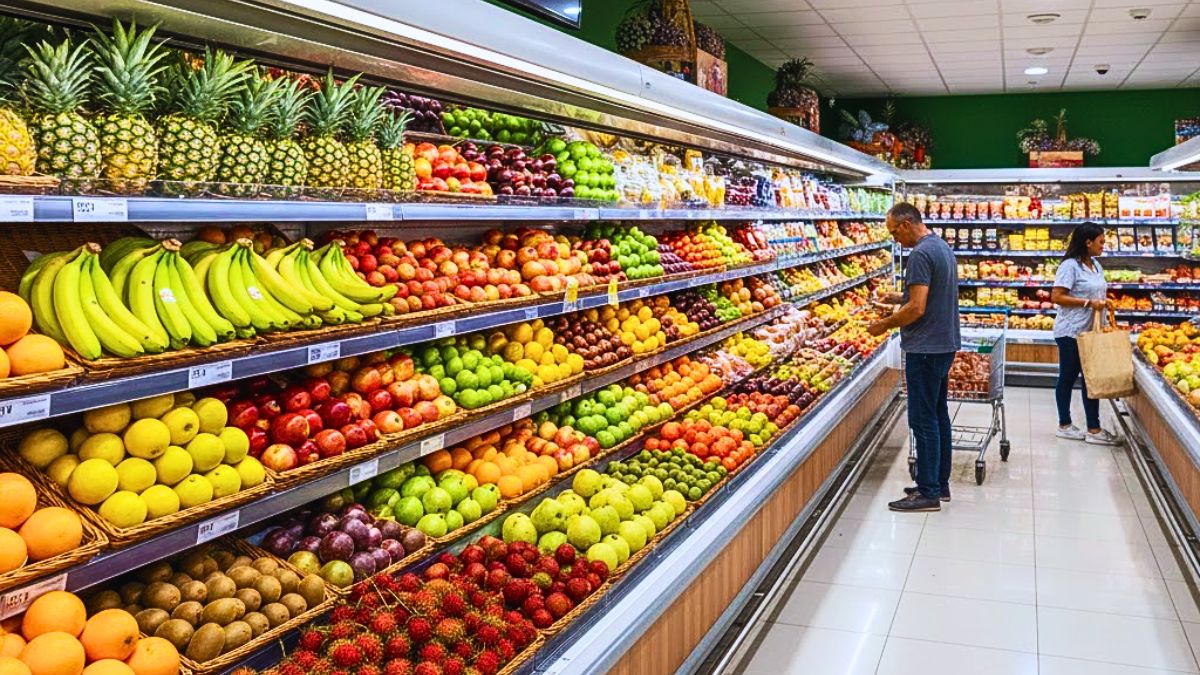
Mauritian consumers are facing a “salty” bill at the checkout as fruit prices continue to climb, driven by Red Sea shipping disruptions and surging international production costs.
The ongoing maritime conflict has more than doubled transit times for essential imports. Suren Surat, director of fruit importer SKC Surat, revealed that shipments from Egypt—a key supplier of citrus and grapes—now take up to 55 days as vessels reroute around West Africa, compared to the previous 23-day journey.
Global Strain on the Local Basket
This logistical nightmare has forced importers to seek alternative sources. “We are now importing grapes from China, but Chinese prices are higher, which is reflected directly in the prices paid by consumers,” Mr Surat explained.
While logistics from South Africa remain stable, the sector is being squeezed by the rising cost of fertilizers, pesticides, and labour.
These “rocketing” production costs are being passed down the supply chain, leaving local vendors like Gurudev Choonucksing to confirm that the pinch is being felt on the ground.
The Price of a Treat
Despite the high costs, local demand remains resilient. While exotic imports like Kiwis average Rs 255 per kilo, local seasonal favourites often command even higher premiums.
| Fruit | Price in MUR (Rs) | Unit |
| Longan | Rs 100 – Rs 800 | per half-kilo (depends on grade) |
| Lychees | From Rs 500 | per half-kilo |
| Custard Apple | Rs 150 (per 0.5kg) or Rs 25 – Rs 50 | per piece |
| Dragon Fruit (Pitaya) | Rs 100 – Rs 200 | per half-kilo |
| Banana | Rs 5 – Rs 10 | per piece |
| Coconut | Rs 50 – Rs 150 | per piece |
| Pineapple | Rs 25 – Rs 150 | per piece |
| Mango | Rs 25 – Rs 100 | per piece |
| Pomegranate | Rs 25 | per piece |
| Fruit | Price in MUR (Rs) | Unit |
| Apple | Rs 155 | per kilo |
| Orange | Rs 100 | per kilo |
| Pear | Rs 165 | per kilo |
| Mandarin | Rs 95 | per kilo |
| Kiwi | Rs 255 | per kilo |
Mr Choonucksing noted that Mauritians are still willing to pay for quality, often buying small quantities of local fruits like longane as a “treat,” despite the steep prices.
A Shift Toward Homegrown Produce
In a bid to shield the market from global volatility, industry leaders are pivoting toward local empowerment. SKC Surat is currently working with approximately 100 local planters to boost domestic yields.
- Bananas: Aiming to increase supply from 15 tonnes to 50 tonnes per week.
- Innovation: Introducing commercial-scale pomegranate cultivation, citing Mauritius’ favourable climate.
Market Outlook
While general sales have remained stable—bolstered by a thriving hotel sector and an influx of tourists—experts warn of a potential dip if prices continue to escalate.
However, optimism remains for the immediate future; vendors anticipate a seasonal boost in turnover with the upcoming Maha Shivaratri festival.
Source: Defi Media