
World News
Trump Challenges UN Authority With New Global Peace Council Charging $1 Billion

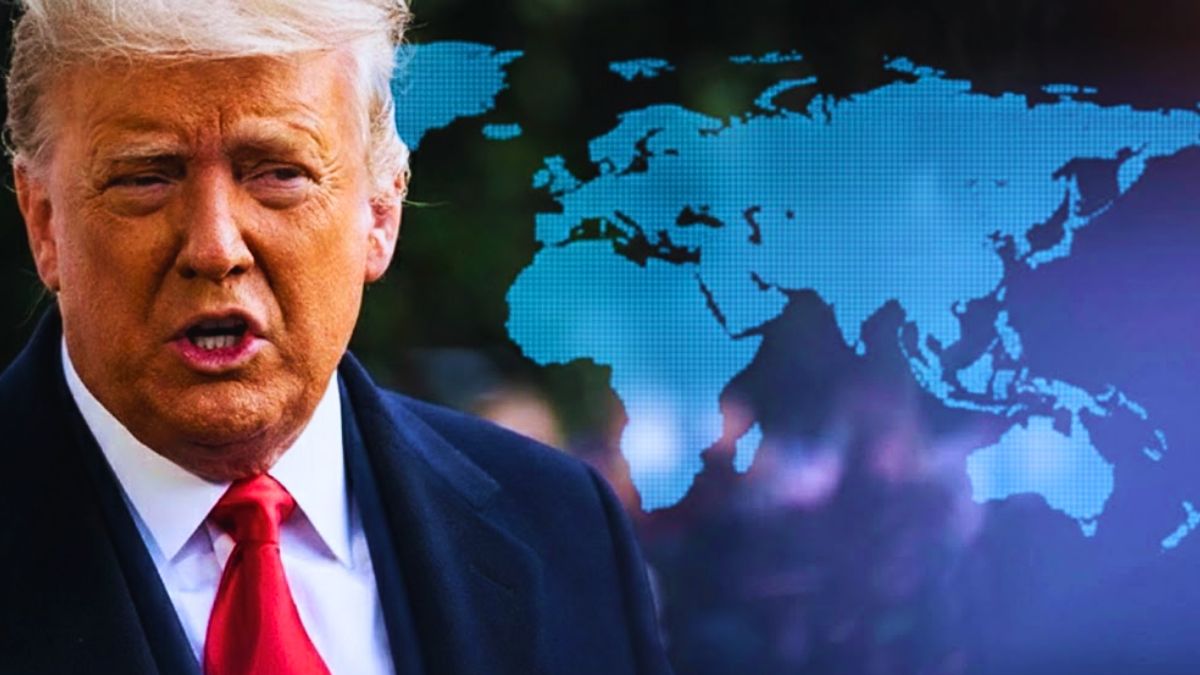
Donald Trump has announced plans to establish a high-powered “Peace Council” intended to rival the United Nations, offering permanent membership to nations willing to pay a $1 billion entry fee.
The initiative, revealed in an eight-page charter obtained by AFP on Monday, 19 January, positions the new international body as a direct alternative to existing global institutions.
The charter explicitly critiques current organisations for having “too often failed” and calls for the “courage” to depart from traditional diplomatic frameworks in favour of a “more agile and efficient” model.
Absolute Authority
Under the terms of the document, Donald Trump will serve as the Council’s “first president” with powers that resemble a lifelong mandate. His authority includes:
- The Veto: While decisions are made by a majority vote, they are subject to presidential approval, granting Mr Trump a de facto veto.
- Unilateral Appointments: He holds the sole power to invite or revoke the participation of heads of state.
- Succession: The president can designate a successor at any time and can only be removed through voluntary resignation or a unanimous vote of incapacity by an executive council formed at his own discretion.
The Billion-Dollar Ticket
The charter introduces a tiered membership system. While standard members serve a three-year renewable term, those who contribute over MUR 46.2 billion ($1 billion) in cash during the first year are exempt from this limit, effectively purchasing permanent status.
The organisation aims to promote stability and restore “reliable and legitimate governance” in conflict-affected regions. Although initially linked to a plan to end the war in Gaza, the charter confirms a far broader global mandate.
Global Response
The White House has issued invitations to a wide array of world leaders, ranging from traditional allies to historic adversaries.
| Response Status | Nations / Leaders |
| Accepted | Morocco (joining as a founding member). |
| Invited | Russia (Vladimir Putin), France, Germany, Canada, Italy, Hungary, Albania, Argentina, Brazil, Paraguay, Egypt, Jordan, Turkey, Greece, Slovenia, Poland, India, and EU Commission President Ursula von der Leyen. |
| Declined / Hesitant | France stated it “cannot follow up” at this stage; Moscow is seeking to “clarify nuances”; Berlin is seeking coordination with partners. |
The “Peace Council” is designed to come into legal force as soon as just three states have signed the charter.
Source: Defi Media