
Business
Mauritius 2026: 4 Major Sectors Lead Job Growth Amid Radical Digital Shifts

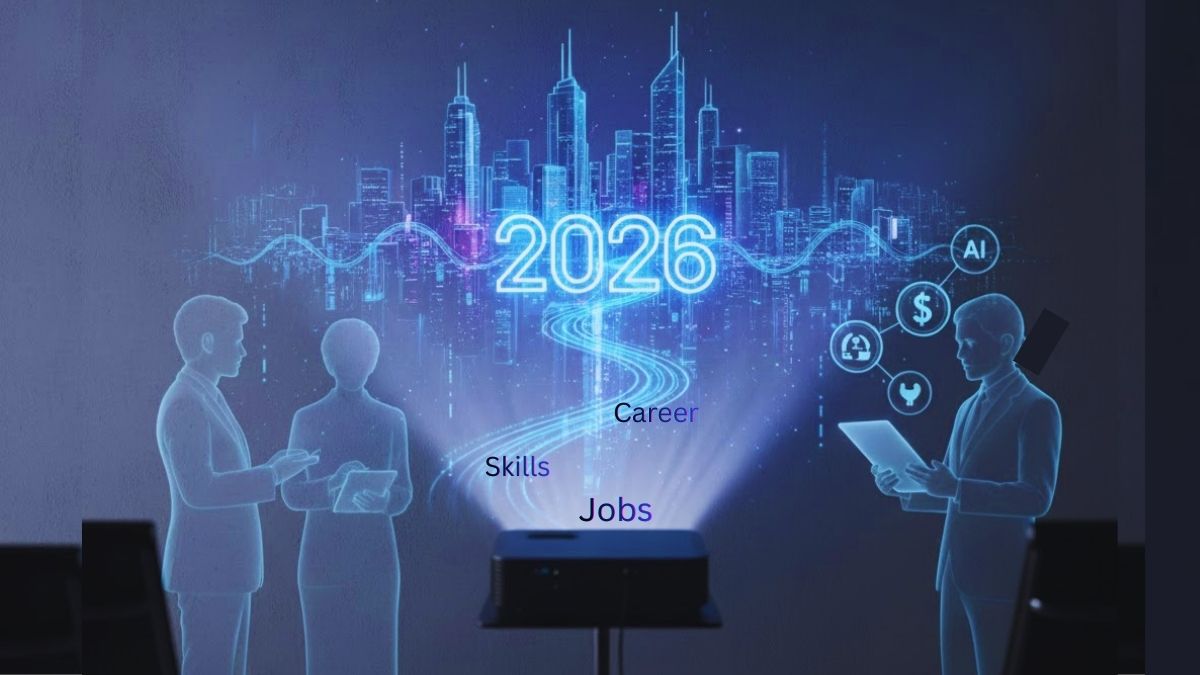
The Mauritian labour market is entering a pivotal year of transformation, defined by a move toward “fractional” work, the integration of Artificial Intelligence (AI) as a standard office tool, and a widening divide between skilled local professionals and foreign manual labour.
Industry experts warn that 2026 will be a year of “all challenges” for both employers and job seekers.
With economic growth projected to stabilise between 3% and 3.4%, the demand for human resources remains high, yet the nature of employment is being fundamentally rewritten by technology and evolving talent expectations.
The Rise of the ‘A La Carte’ Employee
A significant shift in worker behaviour is expected this year. Adilla Diouman-Mosafeer, founder of Talent Lab, noted that employees are increasingly moving toward “fractional work,” where professionals prefer providing services to multiple companies simultaneously rather than being tied to a single employer.
“AI will no longer be a simple gadget, but the main tool in every office,” Diouman-Mosafeer stated, adding that the market is seeing a clear separation between qualified Mauritians and basic manual tasks, which are now performed almost exclusively by foreign workers.
Sectors in Demand
While traditional roles are being redefined, several sectors are poised for “full throttle” recruitment:
- Green Economy: Water management, oceanography, and renewable energy.
- Technology: Cybersecurity, Data Science, Fintech, and Cloud services.
- Specialised Services: Healthcare and financial services.
Christophe Aucher, General Manager of Operations at Hello Job Ltd, highlighted that despite productivity gains from AI, these emerging sectors require an urgent influx of specialized talent to sustain growth.
A Crisis of Skills and Costs
Employers are facing a “perfect storm” of rising operating costs and a scarcity of specialized skills.
Astrid Vuddamallay Sylvie of Myjob.mu noted that recruiters are now prioritising real-world experience and “soft skills” over formal degrees.
The challenges for companies include:
- The Brain Drain: Competition from international remote firms and attractive salary packages abroad (such as in the cruise industry).
- Ageing Population: A demographic shift beginning to impact local labour availability.
- Mental Health: A “good salary” is no longer sufficient; talent retention now hinges on “disconnection measures,” stress management, and genuine work-life balance.
Advice for Job Seekers
For those entering the market, the message from experts is clear: adapt or become obsolete. Thierry Goder, CEO of Alentaris, stressed that the ability to learn continuously and embrace “hybrid” or international working modes is essential.
“The greatest risk for a candidate in 2026 is to stay on their laurels and become ‘outdated’ by new methods in just a few months,” warned Diouman-Mosafeer.
Job seekers are being urged to lower salary expectations in some instances to align with market realities and to remain open to professional reorientation in sectors like ecology and digital data.
Source: Defi Media